
Last updated November 25, 2026
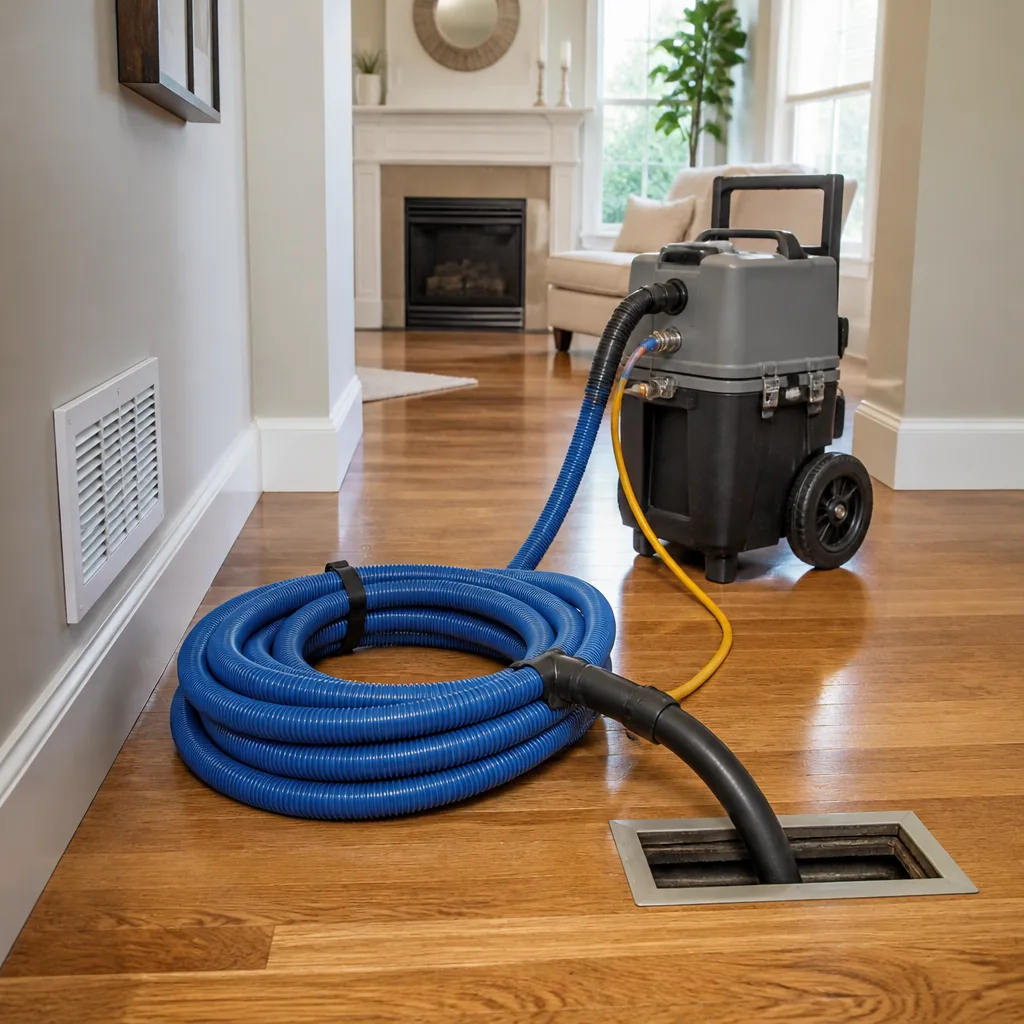 Whole-home duct cleaning
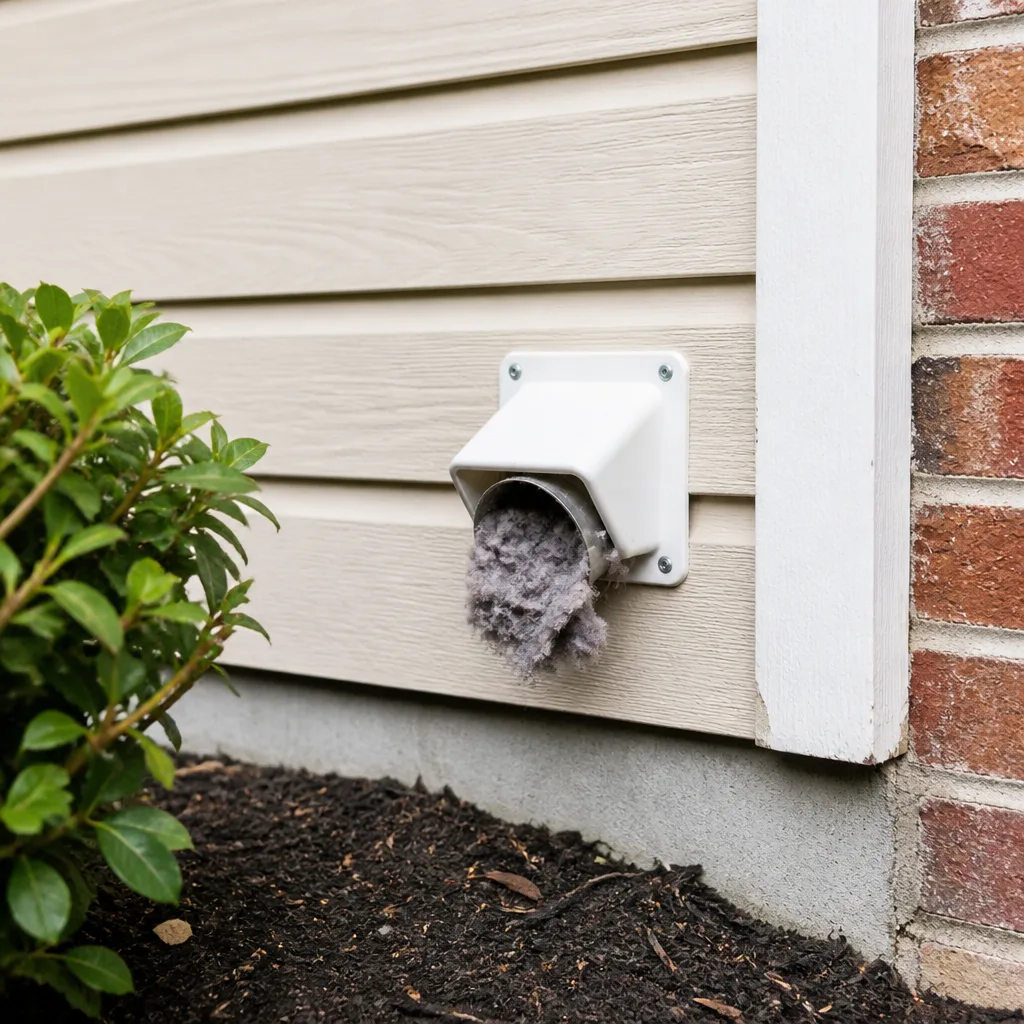 Dryer vent cleaning
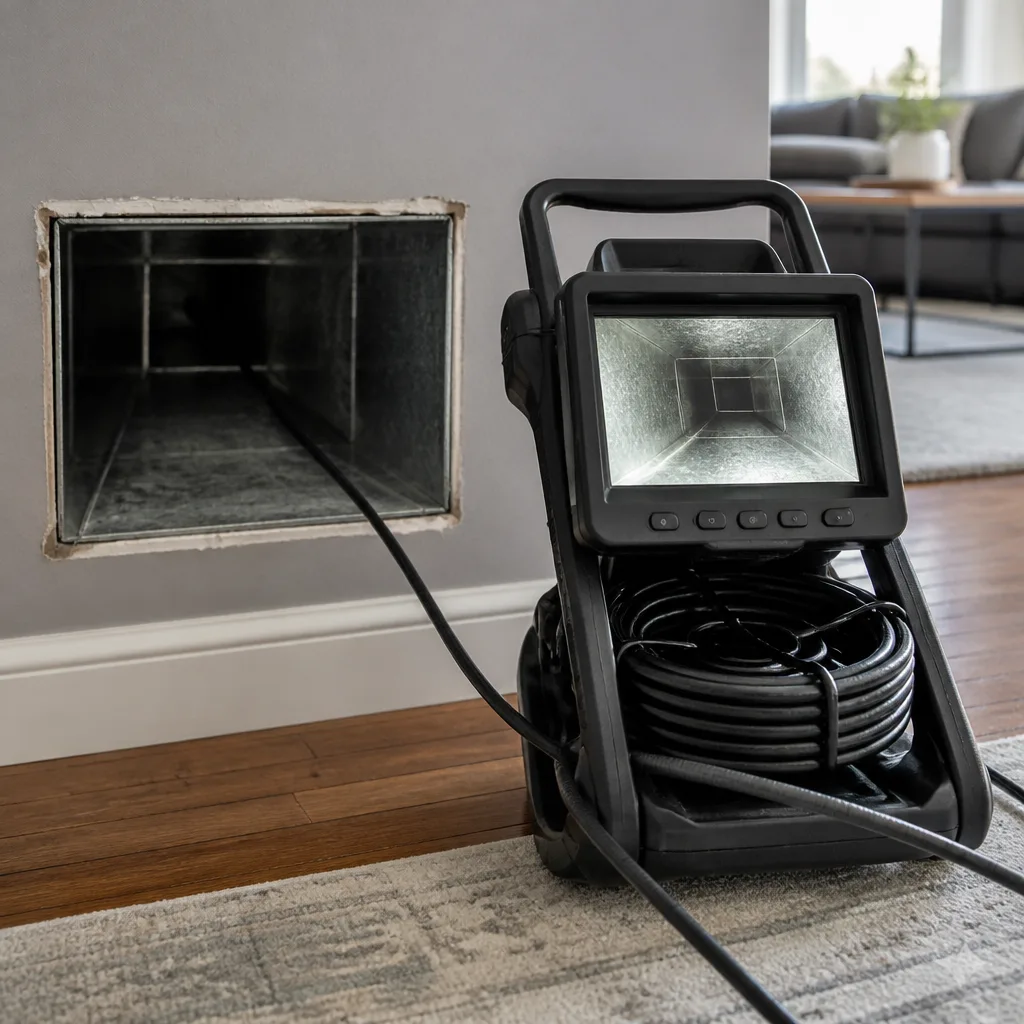 Camera inspection
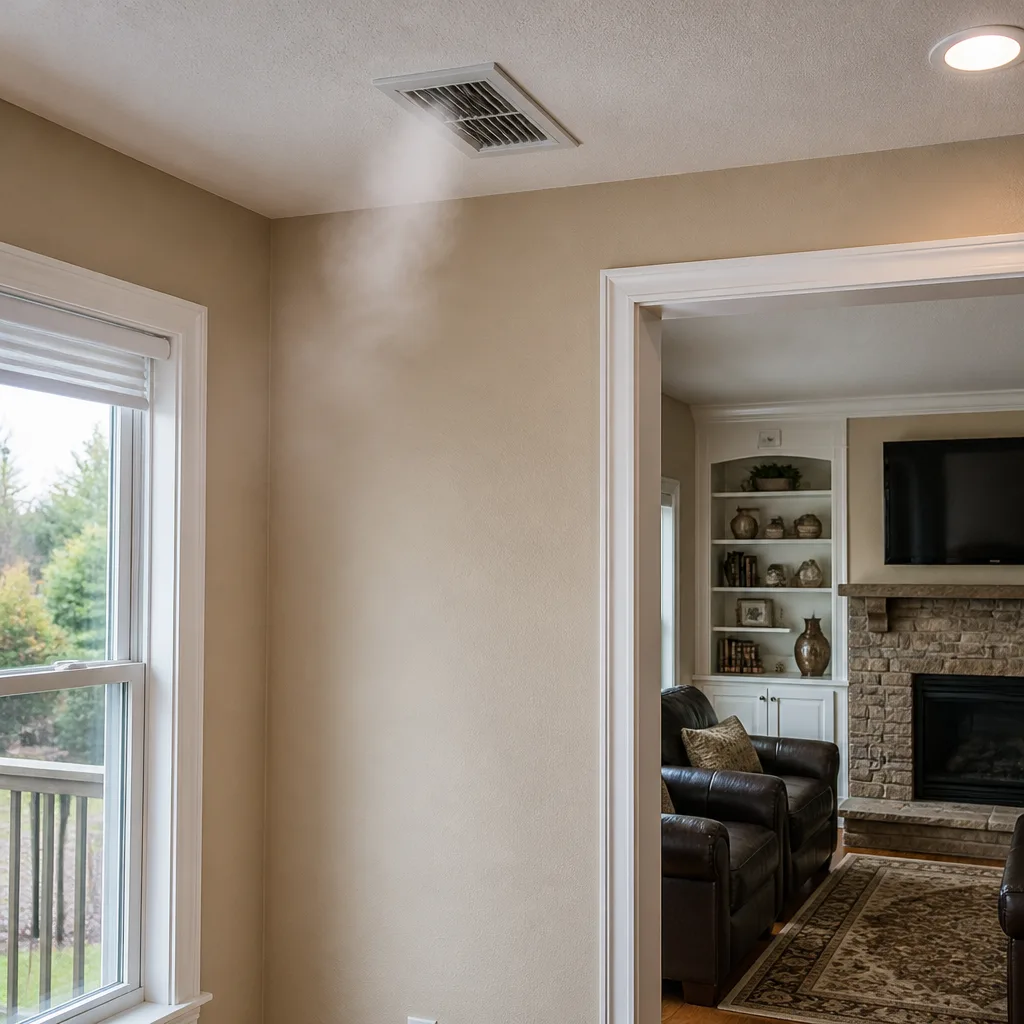 Sanitizing & deodorizing
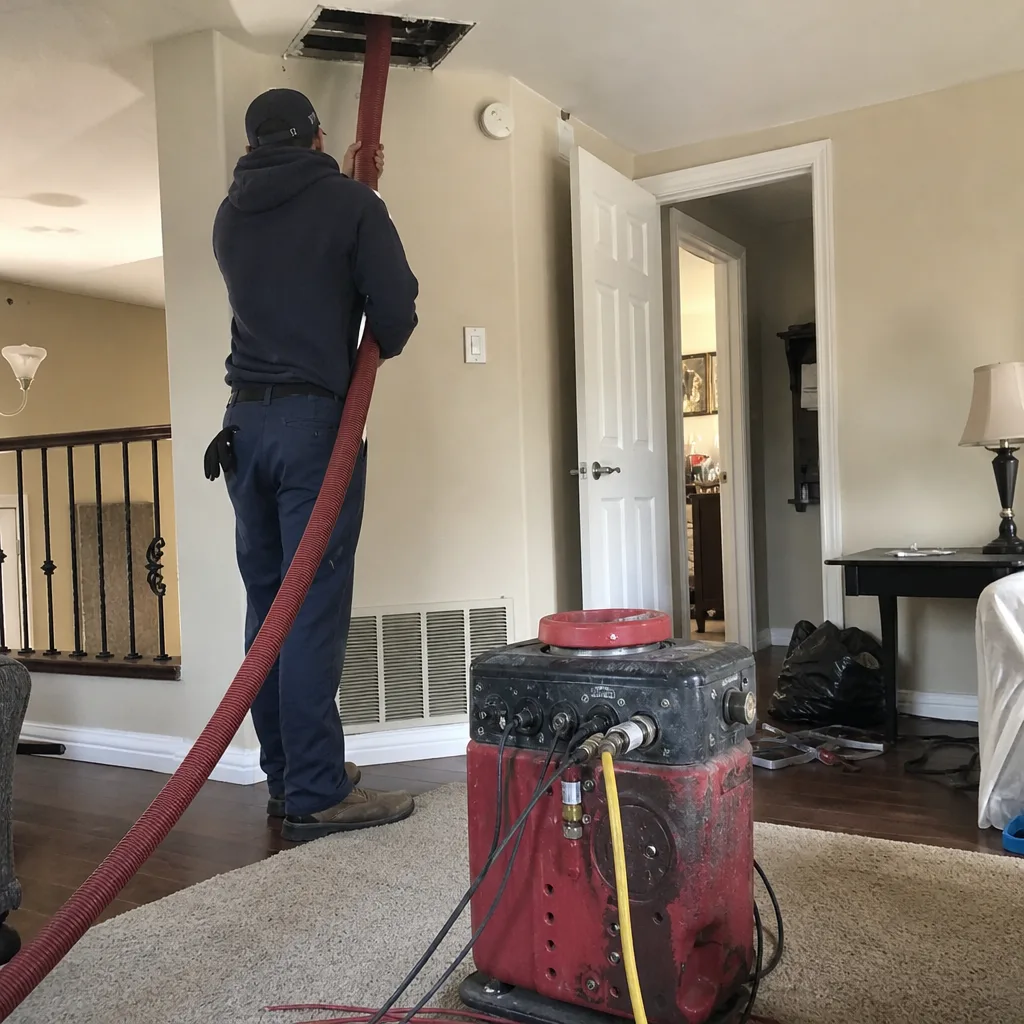
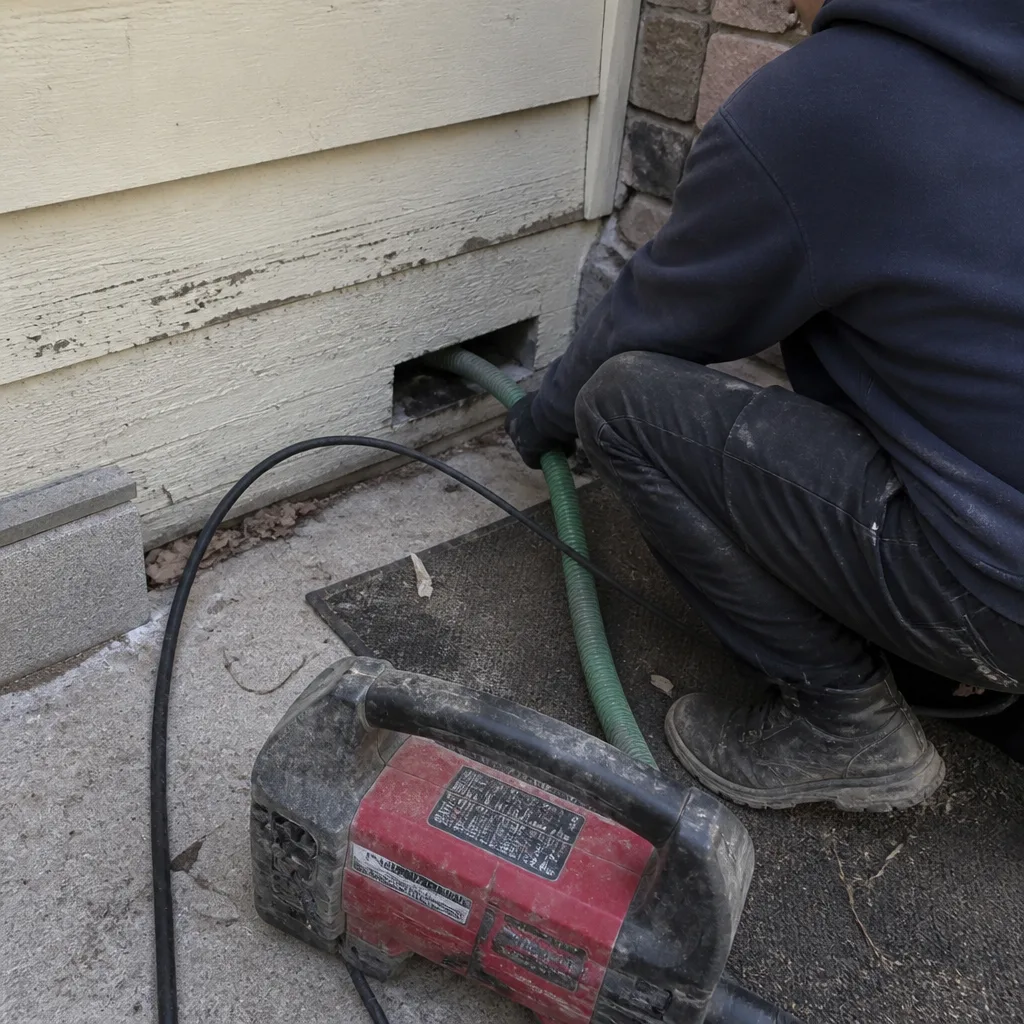
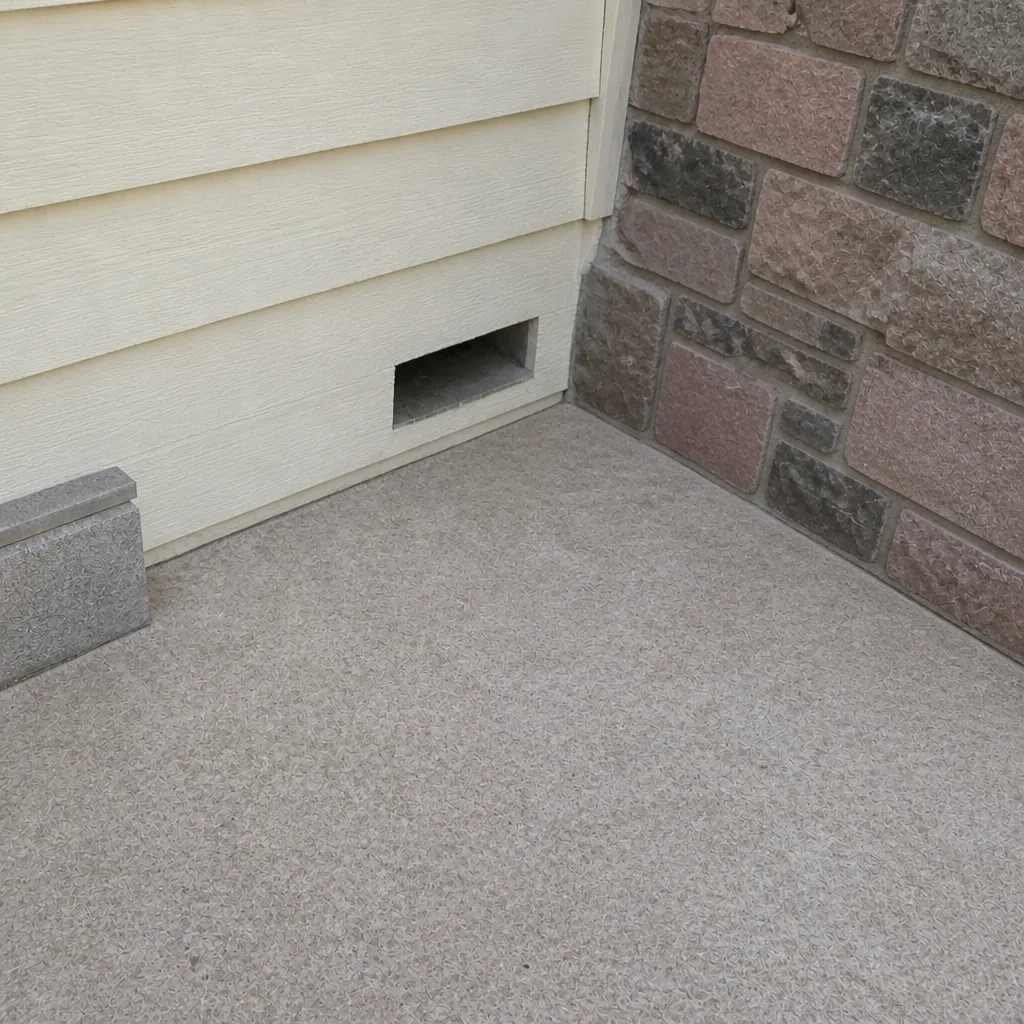
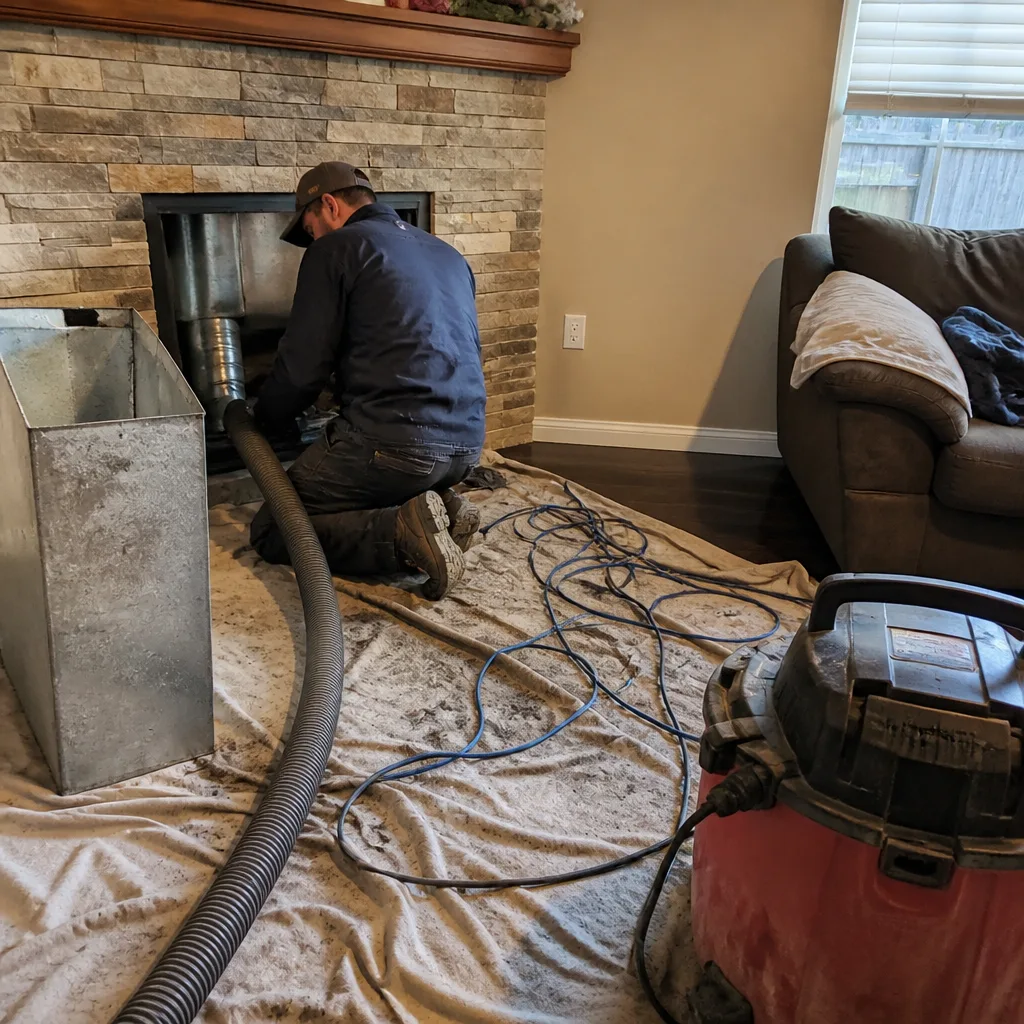
Whole-system duct and dryer vent check with before-and-after photos - you see exactly what came out of your vents
That "$99 whole-house special" is a bait ad - the real number appears once they are in your hallway, or the "clean" is a shop-vac at the register. We photograph the inside of your ducts before and after instead.
Air Duct Cleaning Emergency Preparedness Guide for Erie Homes
Most homeowners think of duct cleaning as routine maintenance, something to schedule when the vents start looking dusty. That framing misses the moments when ducts matter most. When the Marshall Fire burned through Boulder County in 2021, smoke infiltrated thousands of HVAC systems across the region within hours, and many homeowners had no idea their ducts were acting as smoke storage, recirculating combustion particulate for weeks afterward. Erie sits squarely in a region with active wildfire risk, hail season, and periodic flood events, and each one can compromise a duct system in ways that call for immediate response. This guide covers how to prepare before something happens, and what to do when it does.
Quick Answer
Emergency duct cleaning in Erie is warranted after wildfire smoke infiltration, hail damage that pulls debris into return air paths, or any flood or moisture event that leaves standing water near ductwork. The first move is always to shut the system off and document everything with photos before touching anything. Professional extraction and sanitizing is often necessary within 48 hours after moisture intrusion to prevent mold growth inside duct runs.
Styles & brands we work with
- Whole-home duct cleaning
- Dryer vent cleaning
- Camera inspection
- Sanitizing & deodorizing
Table of Contents
- Post-Wildfire Smoke: Shut It Down or Run It?
- Hail Damage and the Return Air Problem
- Flood and Moisture: The 48-Hour Window
- Building a Home Emergency File for Insurance
- What to Ask an Emergency Duct Cleaning Contractor
- Why Containment Procedures Matter
- Pre-Season Prep for Erie Homes
- Working With Your Insurer After an Event
Post-Wildfire Smoke: Shut It Down or Run It?
The instinct after a nearby wildfire is often to keep the system running and hope the filter catches the smoke. In practice, that’s exactly backward. A standard filter traps larger particles but does little against the fine combustion particulate that rides through return air and settles inside duct walls. Running the system circulates that material through every room in the house.
Here’s how emergency response after a smoke event usually goes:
- Shut the HVAC system down immediately. Turn off the thermostat and, if you can safely reach it, the breaker that feeds the air handler. This stops circulation while the outdoor air is still loaded with smoke.
- Close windows and exterior doors. Smoke pulls in through the path of least resistance. Sealing the envelope reduces the load that will eventually reach the ducts.
- Swap to a temporary filter with a higher MERV rating. A MERV 13 filter is a common choice as a bridge, though you’ll want to check what your equipment can handle without straining airflow. Run a higher-rated filter to capture what’s still circulating, then plan to replace it after professional cleaning.
- Document the smoke event. Photos of the sky, ash deposits on outdoor surfaces, and any visible soot on vents all help with an insurance claim later.
- Call for professional assessment if smoke was noticeable indoors for more than a day or two. Surface dust on vents is one thing. Smoke that’s embedded in flex duct liners or insulation is another, and no filter will pull it back out.
We’ve seen homes in Erie where a wildfire forty miles away left a lingering smoke smell in the ductwork for months because nobody addressed the source. Extracting that material is one of the primary reasons we use Rotobrush and Nikro systems rather than lighter residential vacuums. They generate the airflow needed to pull fine particulate off duct walls instead of just moving it around. If you want a baseline before the season starts, air duct cleaning scheduled in spring catches the buildup before it becomes an emergency.
Hail Damage and the Return Air Problem
Hail is the quiet one. A storm rolls through Erie in late spring or summer, and the visible damage is roof and gutters. What often goes unnoticed is what happened to the outdoor portion of the HVAC system, the condenser, the outdoor run of insulated flex duct, and the return air grilles on exterior walls.
Hailstones the size of a golf ball can crack or loosen the insulation jacket around outdoor duct runs. Once that jacket opens, the duct can draw in air from outside, plus whatever debris the storm deposited nearby. This is where a hail event becomes a duct problem: the return air path starts pulling in leaves, grit, and moisture directly into the system that’s supposed to be filtering clean air.
What to check after a hail storm:
- Inspect the outdoor duct jacket for cracks, punctures or separation at the seams.
- Look at the condenser coil for bent fins or visible dents.
- Check return air grilles on exterior walls for wind-blown debris pressed into the mesh.
- Listen for a change in airflow or a whistling sound at any return grille indoors.
- Smell for mustiness over the following days, which can indicate moisture has entered an insulated run.
If any of these show up, the next step is professional inspection. The key point: hail doesn’t just damage the outside. It creates a path for debris to enter the duct system, and that path stays open until it’s sealed. Duct repair and sealing done right can close that gap in the same visit, which is one reason we keep repair and cleaning together as one service line. That matters when a storm is followed quickly by a smoke event, since a compromised duct system is a filter failure waiting to happen. If you’d like the system checked after a hail season, HVAC cleaning covers the mechanical side of the same inspection.
Flood and Moisture: The 48-Hour Window
Flood damage gets so much attention at the basement level that duct work tends to be an afterthought. It shouldn’t be. When moisture reaches any part of the duct system, whether through a below-grade return, an outdoor crawl space, or a flooded mechanical room, the clock starts. Mold can begin colonizing damp duct liner and insulation within 48 hours under typical Erie summer conditions. That window is what drives how fast remediation needs to move.
What to do in those first 48 hours:
- Stop the system from running. Wet duct liner plus moving air equals mold spores distributed through every room.
- Photograph everything before you move a single item. Duct openings, waterlines on flex runs, the state of the mechanical room. These photos become your insurance documentation.
- Get standing water out of the mechanical room and any crawl space that touches ductwork. Pumps and wet-dry vacuums handle most of it.
- Document moisture readings if you have a meter. A phone photo of the reading next to the affected area is stronger documentation than a description.
- Call for professional assessment. A technician can determine whether ducts are salvageable after drying or need cleaning and sanitizing before the system goes back online.
Moisture problems compound in Erie because spring runoff and summer storms can re-soak a mechanical space after the first cleanup. If the duct system was already carrying dust and debris before the flood, wet debris is far more likely to support mold growth than a clean system would. That’s the case for keeping up with dryer vent cleaning and regular duct maintenance: a clean system has less fuel for a moisture event to work with.
Building a Home Emergency File for Insurance
Insurance claims for duct damage go smoother when the homeowner can show what the system looked like before the event. Most people can’t, which turns a straightforward claim into a negotiation. A home emergency file fixes that.
What to include:
- Photos of every visible duct run, return grille and supply register, taken in good light.
- The make and model numbers of your HVAC equipment, photographed off the data plate on the air handler and condenser.
- Date and details of your last duct cleaning and dryer vent cleaning appointments.
- The filter size and MERV rating you typically use.
- A rough diagram of the duct layout, or a phone sketch of where the main trunk runs.
- Receipts for any duct repair or sealing work done.
- Your insurer’s claim phone number and policy number in a separate document, not just in a phone app.
Build the file now, before the season turns. A storm doesn’t give anyone time to take photos of the before-state. Once smoke or water is in the system, the best documentation you can produce is a description with no visual backup. Erie homeowners who keep even a basic file (a folder on a phone plus printed copies in a drawer) are in a much better position when they need to make a claim.
What to Ask an Emergency Duct Cleaning Contractor
The wrong contractor in a post-disaster situation can make things worse. A cheap shop-vac setup doesn’t pull fine smoke particulate; it agitates it. Worse, without containment, cleaning one area can push dislodged debris into rooms that were previously clean.
Questions worth asking before you hire:
- What equipment will you use? We use Rotobrush and Nikro systems because they generate the airflow and agitation needed for real extraction rather than surface dusting.
- How do you contain the work area? Abatement Technologies containment equipment is the standard answer. If a contractor can’t describe their containment process, that’s a red flag.
- Do you test or verify results? A reputable contractor can describe how they confirm the system is clean.
- Can you repair damage you find while cleaning? Duct sealing and repair during the same visit avoids pulling in a second contractor.
- Do you clean dryer vents as part of your standard service? Dryer vents are a fire hazard and worth addressing alongside duct work when the system is already being serviced.
- How do you handle sanitizing? Products from Honeywell and Aprilaire are a reasonable baseline to ask about.
Our technicians have up to 9 years of experience, and we’ve answered these questions countless times. If the answer to any of them is vague, ask for more detail. And if you want the practical side of a full-system check, Erie Air Duct Cleaning Pros handles the cleaning, sealing, sanitizing and dryer vent side under one roof.
Why Containment Procedures Matter
Containment is the step most homeowners don’t think to ask about, and it’s the one that determines whether cleaning actually improves air quality or just moves the problem around. When a technician dislodges particulate from inside a duct run, that material has to go somewhere. Without negative pressure and physical barriers, it goes into the room.
Here’s what proper containment looks like in practice:
- Plastic sheeting or HEPA-filtered negative air units seal off the work zone.
- Registers and grilles are covered during cleaning.
- The vacuum system is connected to the main trunk, creating negative pressure so debris flows toward the collection point rather than out into rooms.
- After cleaning, surfaces are inspected and wiped down before containment comes out.
We use Abatement Technologies containment systems for this reason. For households with allergy or asthma concerns, containment is arguably more important than the cleaning itself. A system cleaned without containment can briefly raise indoor particulate levels during the work, which is exactly the opposite of the goal.
Pre-Season Prep for Erie Homes
Emergency preparedness is mostly a matter of doing small things in advance. Erie sits in a region where wildfire smoke, hail and flood can all hit within a few months of each other, so the prep list covers all three.
Before the season:
- Get the system cleaned and inspected. A clean system has less material to feed into a smoke or moisture event.
- Stock twice the filters you normally use. You’ll need a fresh set for post-event replacement even if you had one on hand before.
- Photograph everything for the emergency file. Duct runs, equipment data plates, filter sizes, dryer vent runs.
- Get dryer vents cleaned. A dryer vent that’s been running hot is a fire risk that compounds any other stress on the house.
- Seal obvious duct leaks. Loose seams and disconnected joints let in outdoor air faster than you’d expect during a smoke event.
If you’re doing this for the first time, schedule it for early spring, before storm season and before the fire-risk window opens in summer. It’s much easier to coordinate a proactive appointment than to chase down service in the middle of a regional emergency.
Working With Your Insurer After an Event
Most standard homeowner policies cover duct damage caused by a sudden event like a hail storm or flood, but coverage varies. The key is to document thoroughly, get the assessment done quickly, and keep every scrap of paper from the process.
How to approach the insurance side:
- Call your insurer as soon as you’ve secured the house and stopped the system from running.
- Provide photos from the emergency file plus photos of the post-event damage.
- Get a written estimate for the cleaning and any needed repair or sealing work.
- Keep receipts for any temporary work, like moisture extraction or filter replacement.
- Ask specifically whether sanitizing treatments are covered, since they’re often listed separately.
We can work with your insurer and provide documentation of what we found and what we did. That documentation is the piece that makes a claim close quickly rather than drag through months of back-and-forth.
Common Mistakes to Avoid
- Running the HVAC system during a smoke event. This is the most common mistake, and it’s the one that turns a two-day problem into a two-month one.
- Assuming your filter caught everything. Filters catch what’s in the air stream. They don’t remove what’s already stuck to duct walls.
- Skipping photos before cleanup. Once the smoke smell is addressed or the water dried, you’ve lost the evidence your insurer needs.
- Hiring on price alone after a storm. The cheapest quote in a post-disaster market is often the one without containment equipment, which means cleaning that just moves debris around.
- Waiting past 48 hours on moisture. Mold growth inside duct liner moves faster than most homeowners realize.
- Forgetting the dryer vent. Many homeowners only think of the dryer vent when the dryer starts taking too long. It’s a fire risk and worth checking after any major storm that could have loosened the vent run.
- Not checking outdoor duct jackets after hail. Hail damage to outdoor runs is easy to miss and creates a direct debris path into the system.
See the difference
 Before
 After
 Before
 After
 Before
 After
When to Call a Professional
Call us when smoke was noticeable indoors for more than a day after a nearby fire, when hail damaged any part of the outdoor HVAC system, when moisture reached your ducts, or when you notice a musty smell you can’t trace. These are all situations where a visual inspection and professional assessment turn a guess into a plan. Our technicians have up to 9 years of experience and use the same equipment trusted in commercial and industrial settings. Erie Air Duct Cleaning Pros offers free estimates in Erie. Call (877) 676-7132. We answer 24/7. Fast dispatch from 7am to 7pm, Sunday through Friday.
Frequently Asked Questions
Within a few days to a week, once the smoke has cleared and the system has been shut down. Waiting longer lets fine particulate settle deeper into duct liners, which makes extraction harder. Call (877) 676-7132 for an exact quote. Estimates are free.
No. A higher MERV filter captures more from the air stream, but it won’t remove what’s already settled inside your ducts. A MERV 13 filter is a useful bridge while you wait for cleaning, not a replacement for it. Call (877) 676-7132 to schedule an assessment.
About 48 hours under typical conditions. After that, mold can begin colonizing damp duct liner and insulation, and any air movement will distribute spores. Call (877) 676-7132 as soon as standing water reaches your ductwork.
Many standard policies cover duct damage from sudden events like hail or flood, but specifics vary by policy. Document the damage with photos, get a written estimate, and confirm coverage with your insurer before work begins. We can work with your insurer on documentation.
Yes. Hail can crack or loosen the insulation jacket around outdoor duct runs, creating an opening that draws debris directly into the return air path. It’s worth checking outdoor runs after any significant hail storm, even if the house looks fine otherwise.
Ask what equipment they use, how they contain the work area, whether they can repair and seal any damage found during cleaning, and how they verify the results. A contractor who can answer all four in specific terms is ready for the job. Call (877) 676-7132 to talk through what your situation involves.
The Bottom Line
Duct systems in Erie face three distinct kinds of emergency pressure: wildfire smoke, hail damage, and flood moisture. Each one is manageable if you know what to do in the first hours, and each one becomes a much bigger problem if you run the system blindly and wait. The core moves are the same: shut the system off, document everything with photos, and get a professional assessment if the smoke or water actually reached the ducts. Keep a home emergency file up to date and schedule a baseline cleaning before the season. If you’re facing one of these situations right now, call Erie Air Duct Cleaning Pros at (877) 676-7132 for a free estimate. We answer 24/7. Fast dispatch from 7am to 7pm, Sunday through Friday.
Written by the team at Erie Air Duct Cleaning Pros.