
Last updated November 25, 2026
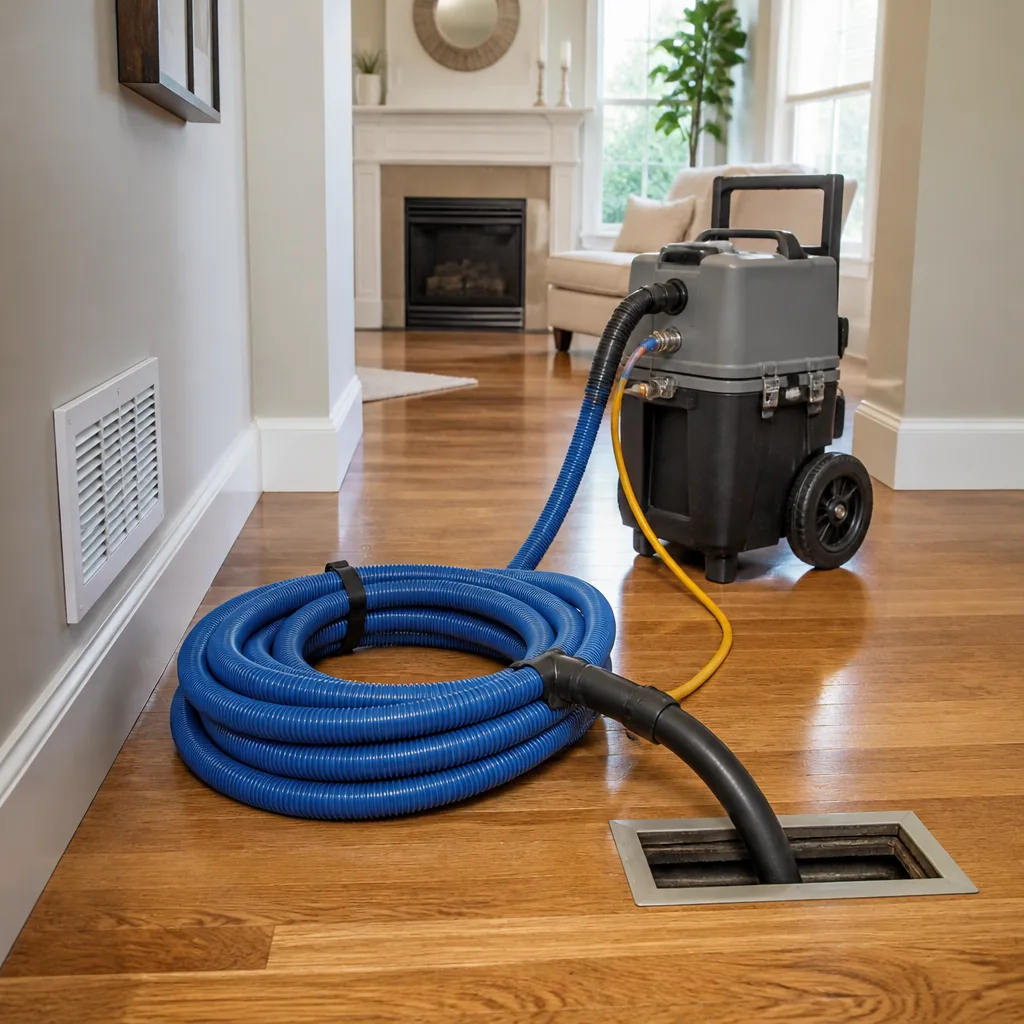 Whole-home duct cleaning
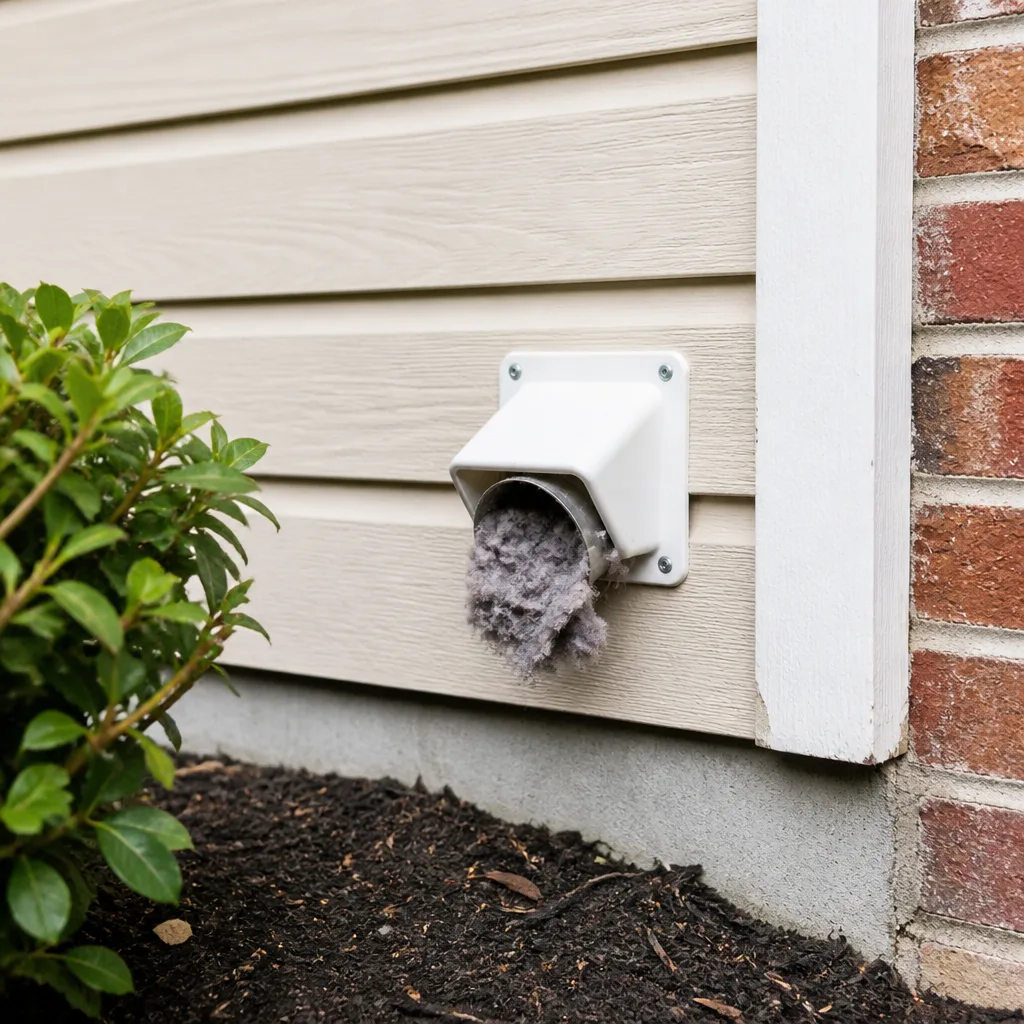 Dryer vent cleaning
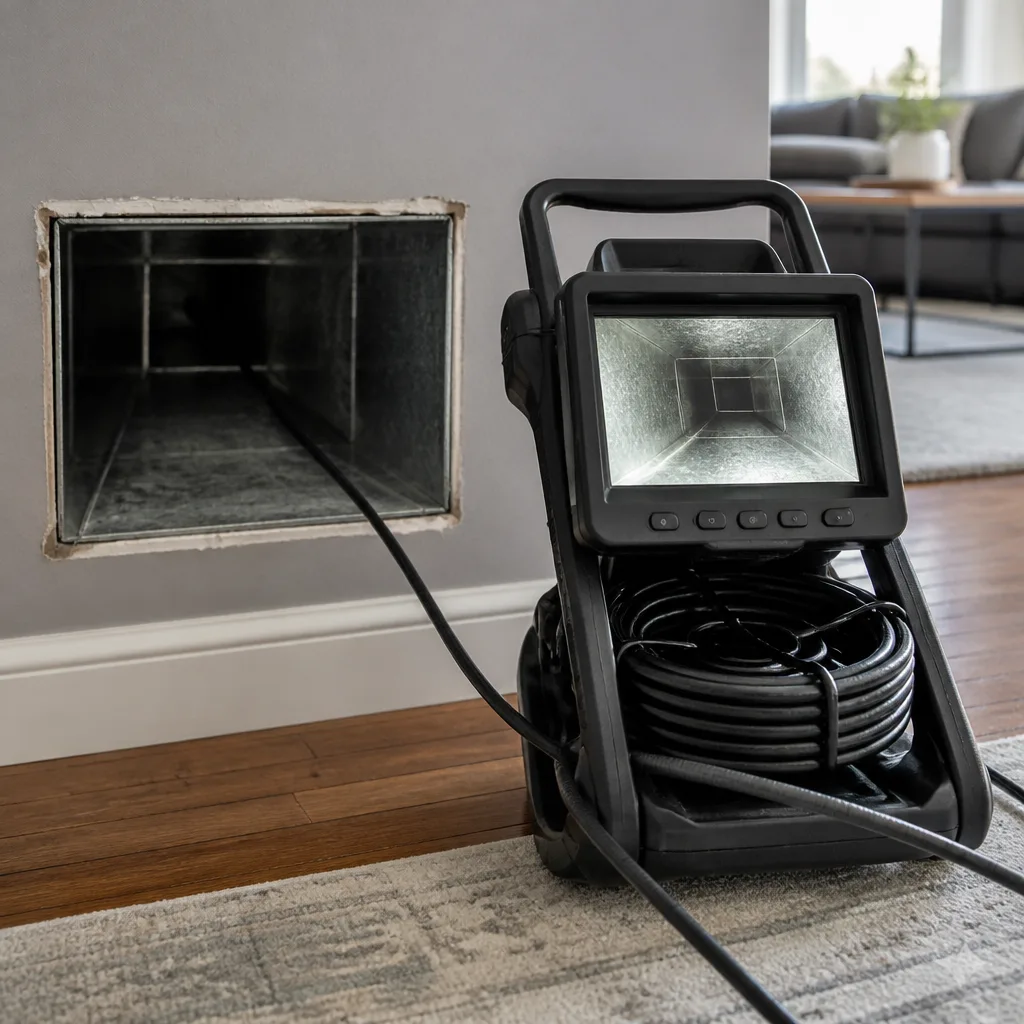 Camera inspection
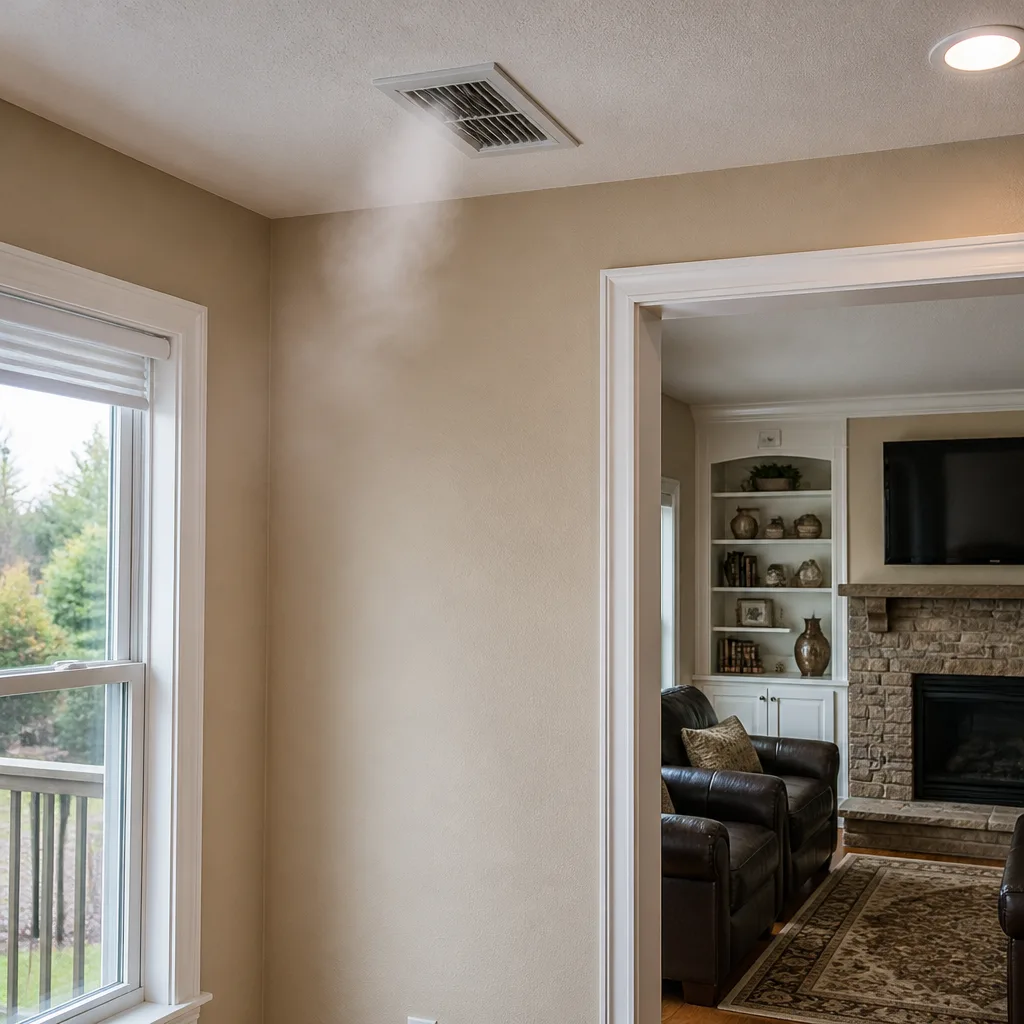 Sanitizing & deodorizing
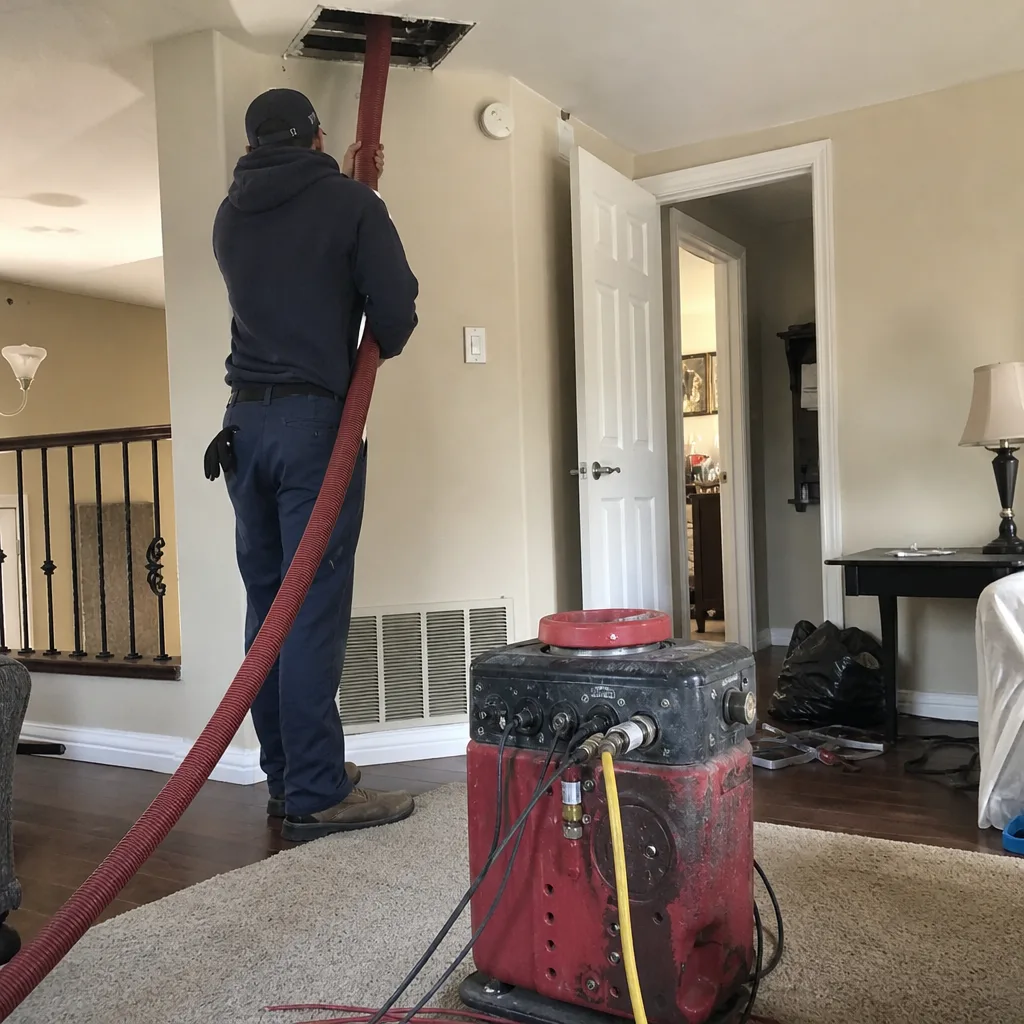
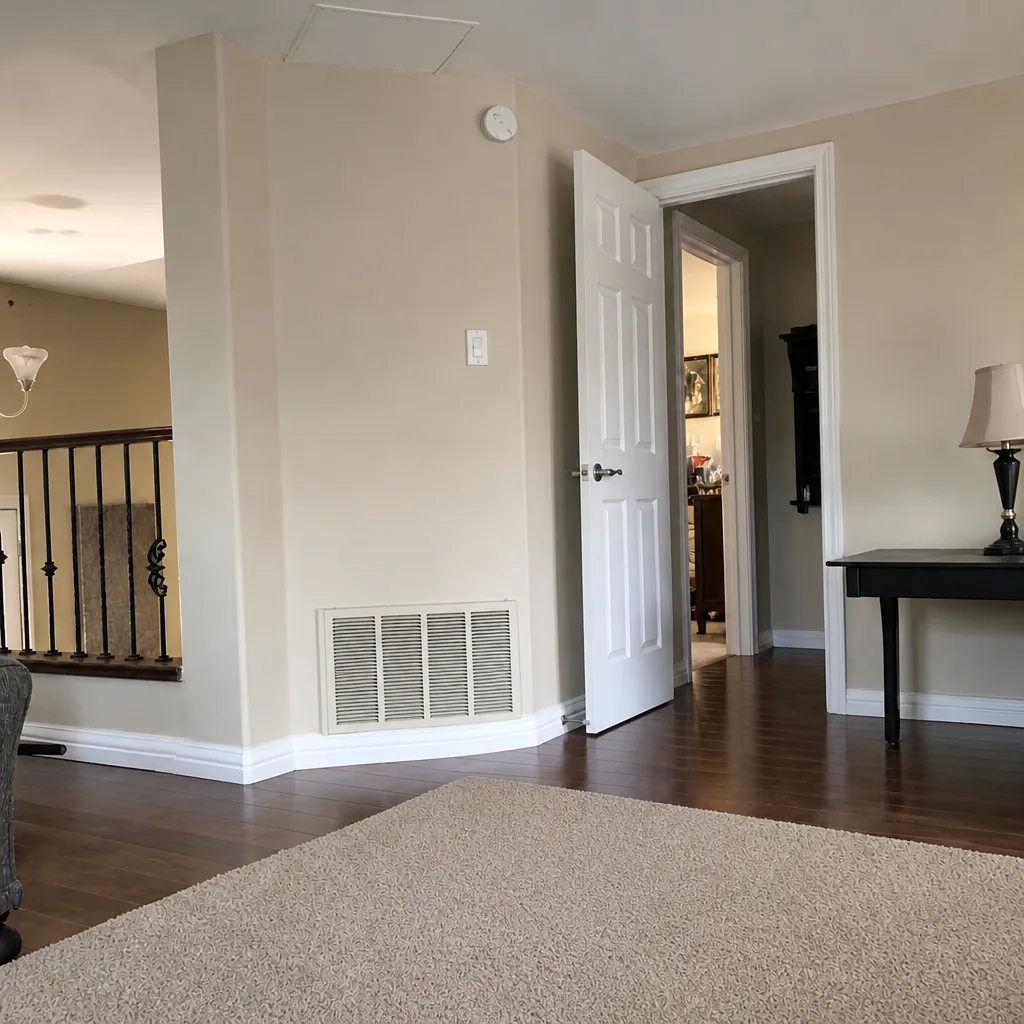
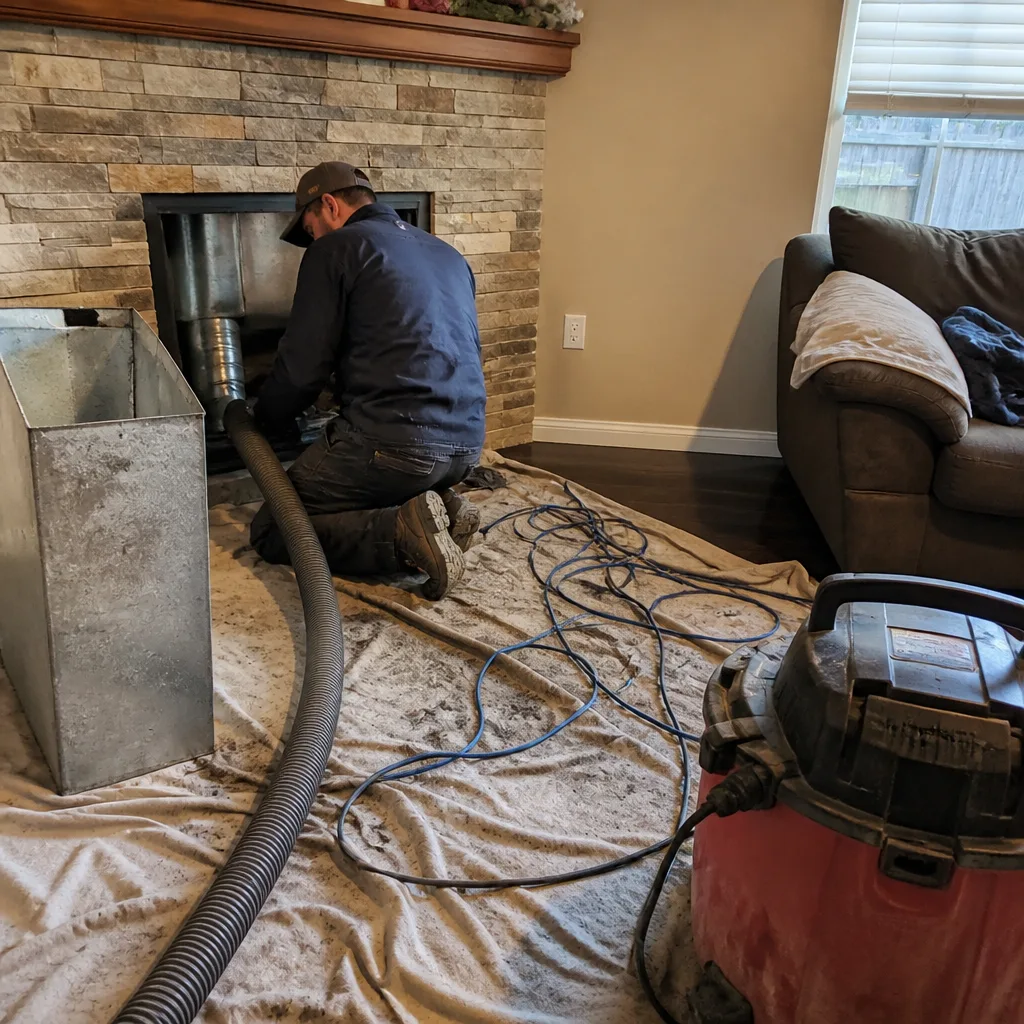
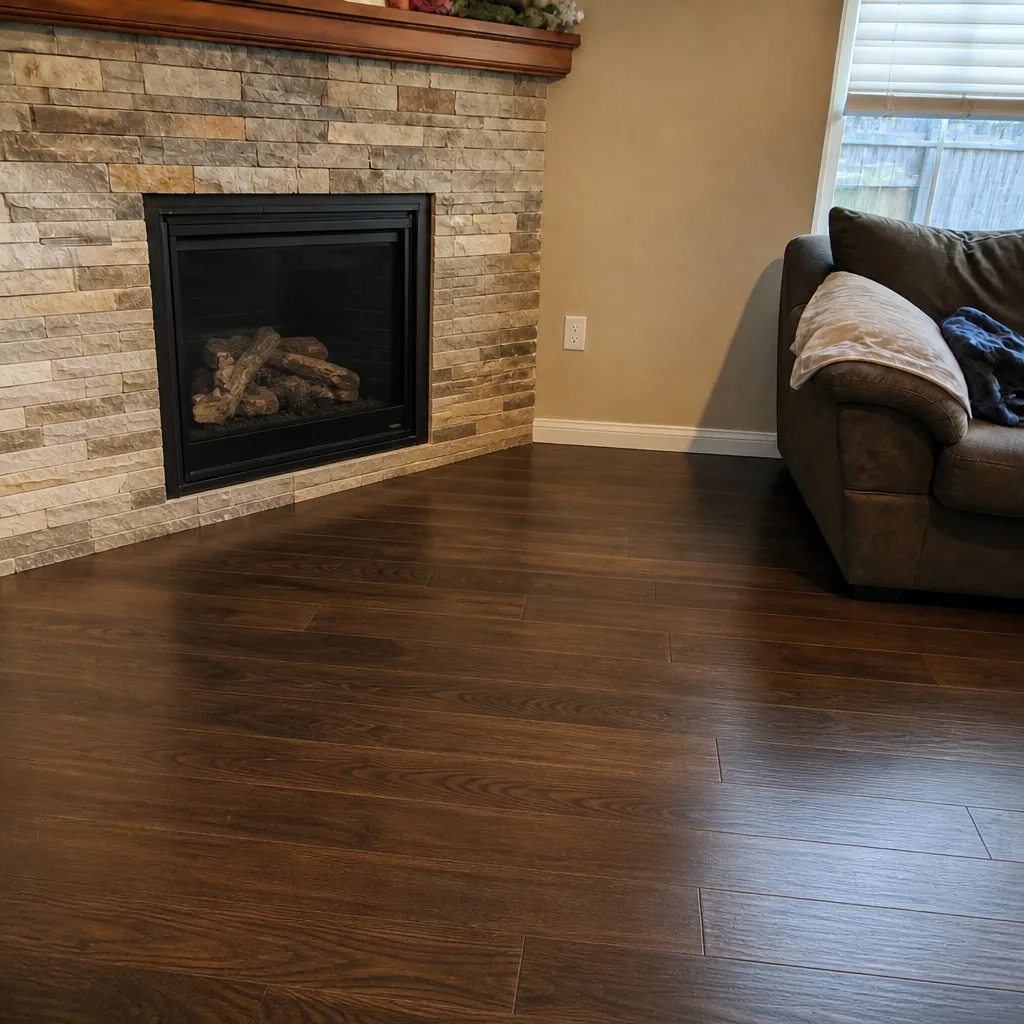
Whole-system duct and dryer vent check with before-and-after photos - you see exactly what came out of your vents
That "$99 whole-house special" is a bait ad - the real number appears once they are in your hallway, or the "clean" is a shop-vac at the register. We photograph the inside of your ducts before and after instead.
The Complete Guide to Air Duct Cleaning in Erie
Most homeowners assume the dust on their furniture is the whole problem. It isn’t. In Erie, the bigger issue is the dust that settled inside the ducts years ago and never left, and the air handler that keeps pushing it back into every room. Erie sits where the plains meet the foothills, so the same wind that makes a spring afternoon miserable also drives fine particulate into return grilles, and wildfire smoke season adds another layer that most duct systems were never built to filter. What follows is how duct contamination actually works in Erie, what a real full-system cleaning covers, and what to ask before anyone quotes you a price.
Styles & brands we work with
- Whole-home duct cleaning
- Dryer vent cleaning
- Camera inspection
- Sanitizing & deodorizing
Quick Answer
Air duct cleaning in Erie means removing accumulated dust, drywall debris, pollen, and smoke particulate from the entire air pathway: supply ducts, return ducts, the air handler, the evaporator coil, and the drain pan. A credible job uses commercial-grade negative-pressure equipment so dislodged debris leaves the system instead of recirculating into your rooms. Prices are set per system by a written estimate after an inspection, never by a per-vent figure quoted over the phone.
Table of Contents
- Why Erie’s Climate Makes Duct Cleaning Different
- The Construction Boom and Post-Build Drywall Dust
- What a Full-System Clean Actually Covers
- Truck-Mounted Vacuum vs. Rotobrush and Nikro Systems
- The Inspection Process Before Any Quote
- Signs Your Erie Home Needs Duct Cleaning
- How the Cleaning Process Works, Step by Step
- Dryer Vent Cleaning: The Service Most Companies Skip
- What Duct Cleaning Costs in Erie
- Common Mistakes to Avoid
- When to Call a Professional
- Frequently Asked Questions
Why Erie’s Climate Makes Duct Cleaning Different
Erie sits on the Front Range where prairie wind corridors meet the foothills, and that geography shapes what ends up in your ductwork. On a windy day, airborne soil and pollen get pulled into the return side of the system long before they ever reach a filter. During wildfire season, smoke plumes from fires across the state and beyond drift over the Front Range and settle into the same return ducts. Your filter catches some of it. The rest coats the duct walls, the blower wheel, and the coil.
National duct cleaning guides are written for a generic house in a generic climate. They mention dust and pet hair and stop there. Erie homeowners deal with three contamination streams at once:
- Wind-driven soil and grit. Fine particulate that behaves almost like sand in the ductwork, settling in low runs and accumulating on the blower.
- Wildfire smoke particulate. Smoke leaves an oily, odorous residue on duct surfaces and on the coil that a standard filter change doesn’t touch.
- Seasonal pollen loads. Spring and early summer push pollen counts up, and open windows during mild stretches pull it straight into the return.
The practical result is that ducts in Erie can load up faster than ducts in a humid, wind-sheltered climate. A home here doesn’t have to be old to have a dirty system. It just has to have run a few seasons with the windows open and the furnace or AC cycling. That’s the pattern we see repeatedly in Erie, and it’s why we treat the full air pathway as the unit of work rather than just the visible registers.
One more local wrinkle: Erie’s temperature swings mean the system often runs in both heating and cooling modes within the same week in spring and fall. Every switch stirs settled dust back into the airstream. A system that’s clean at the start of the season doesn’t stay that way through a Front Range shoulder season.
The Construction Boom and Post-Build Drywall Dust
Erie has grown quickly, and that growth left a specific problem behind. In newer tract homes, drywall dust, sawdust, and construction grit often get pulled into the ductwork during the build, before the system has a proper filter in place or before anyone thinks to seal the registers. Some of that debris never leaves. It sits compacted in the first few feet of the supply runs and along the bottom of horizontal duct sections.
This matters more in Erie’s newer homes than in older ones for a structural reason: newer builds tend to have longer duct runs feeding more rooms from a single central air handler. Longer runs mean more surface area for dust to settle on and more distance for a weak vacuum to lose suction before it reaches the far end. A short vacuum pass at each register, which is what a lot of cheap services actually deliver, does almost nothing to the compacted material at the far end of a long run.
What to watch for if your home is newer:
- White or gray dust that keeps reappearing on vents and nearby furniture even after repeated cleaning.
- A metallic or chalky smell when the system first kicks on.
- Visible dust streaks inside the supply registers themselves.
- Construction debris, drywall chunks, or sawdust visible when you remove a register cover.
Post-build drywall dust is abrasive. Running a system with it compacted in the ducts wears on the blower and can dull the coil over time. Getting the ductwork cleaned and the system verified after a build or major renovation is one of the most useful things an Erie homeowner can do for the long-term health of the HVAC equipment. It’s also why we inspect before we quote; a newer home with long runs needs a different approach than a short-run older house, and the price should reflect that.
What a Full-System Clean Actually Covers
When a company says “duct cleaning,” ask what’s included. The answer separates a real full-system job from a cosmetic pass at the grilles. A complete clean follows the air from the return grille all the way through the air handler and out to every supply register, and it addresses each component the air touches.
- Return ducts. The dirtiest side of most systems because it’s where unfiltered air enters. This is where wind-driven soil and smoke particulate concentrate.
- Supply ducts and runs. The long runs feeding each room. In Erie’s newer homes these carry the post-build drywall debris and need real suction at the far end, not just at the boot.
- Registers and grilles. Removed, cleaned, and reinstalled. Not just wiped on the visible face.
- The air handler. The cabinet and blower assembly. A dirty blower wheel throws less air and puts more strain on the motor.
- The evaporator coil. The cooling coil is a dense fin pack that traps particulate. A coated coil cuts efficiency and can develop odors.
- The drain pan. Standing moisture plus dust equals the musty smell a lot of homeowners notice on first cool-down.
Registers alone are maybe ten percent of the surface area the air actually passes over. Cleaning them and calling it done is the most common shortcut in this trade, and it’s the reason some homeowners pay for a “cleaning” and see no difference in air quality afterward. Our approach is to address the full air pathway, from the return intake through the air handler to the last supply boot in the farthest room.
If the inspection turns up a leak, a disconnected run, or damaged duct insulation, that’s repairable on the same visit rather than something to note on an invoice and leave. Cleaning a system with an open leak just means the next batch of Erie dust gets pulled in through the gap.
Truck-Mounted Vacuum vs. Rotobrush and Nikro Systems
This is the part of the conversation most companies would rather skip. There are two broad ways to clean a duct system, and they produce very different results, especially in Erie’s long-run homes.
A truck-mounted vacuum is a big external vacuum connected to the ductwork through a hose. It pulls hard, which is useful, but it’s a single source of suction. It does well at the trunk and the near runs. At the far end of a long supply run, the suction drops off, and compacted drywall dust or caked-on soil doesn’t lift. Truck-mounted systems also don’t typically provide the mechanical agitation that loosens adhered material from the duct walls.
Professional-grade rotary and air-whip systems, like the Rotobrush and Nikro equipment we use, combine suction with mechanical agitation. A rotary brush or air whip travels the length of the run, breaking up the bonded layer of dust and drywall debris while capture equipment pulls it out. That agitation is what actually removes compacted material instead of just disturbing the surface. We bring Rotobrush and Nikro systems to every job because they’re the same class of equipment used in commercial and industrial settings, not the shop-vac-and-hose setups some residential competitors run.
Containment matters just as much. Loosening dust is one thing; keeping it out of your living space during the job is another. We use Abatement Technologies containment equipment to create negative pressure at the work area so dislodged debris travels into the collection system instead of puffing out of a register and settling on your furniture. For households dealing with allergies or asthma, that detail is the difference between a helpful cleaning and a bad afternoon. The same equipment discipline is why our air duct cleaning approach treats containment as a first step, not an afterthought.
The Inspection Process Before Any Quote
No credible company can quote a duct cleaning without seeing the system first. Square footage and the number of vents don’t tell you whether the ducts are lightly dusted or packed with drywall debris. A proper inspection in an Erie home follows a set sequence.
- Walk the system. Locate the air handler, count supply and return runs, and note the layout. Long-run tract homes get flagged here.
- Open access points. Remove registers and check return and supply boots for visible dust depth and debris type.
- Look inside the ducts. A camera inspection or a direct look down a removed register shows what’s actually coating the walls, not just the grille.
- Check the air handler and coil. Look at the blower wheel, the evaporator coil fins, and the drain pan for dust, moisture, or odor.
- Check the filter and the filter housing. A housing that bypasses air around a cheap filter is a sign that the system has been pulling unfiltered Erie dust for a while.
- Look for leaks and disconnects. A separated run or a torn duct pulls attic or crawlspace air straight into your supply side.
Only after that walkthrough does a real price make sense. The estimate should be for the whole system, written out, with the scope described. If a company quotes you a number over the phone based on vent count alone, they haven’t seen enough to know what they’re pricing. Our free estimate includes the inspection, and the written estimate sets the final price. One flat price per system, agreed before work starts.
Signs Your Erie Home Needs Duct Cleaning
Duct contamination doesn’t announce itself. It builds quietly until something prompts a closer look. These are the signals that most often justify an inspection, and several of them are specific to the Front Range climate.
- Dust returning fast after cleaning. If you dust a room and it’s hazy again within days, the source is likely upstream in the ducts or the air handler.
- A musty or smoky smell on startup. Odor on first cool-down or heat-up points to the coil, drain pan, or duct surfaces holding residue.
- Visible dust streaks in the registers. Streaking inside the grille is a sign the supply side has a settled coating.
- Recent renovation or new construction. Drywall dust from a remodel or post-build settles into the system and needs removal, not just a filter change.
- Allergy symptoms that ease when you leave. If symptoms are worse at home during high-pollen or smoke periods, the return ducts are worth checking.
- A dryer that takes two cycles. A clogged dryer vent adds heat and dry time; that’s a fire-safety issue as much as a convenience one.
None of these alone is a guaranteed diagnosis. Together, two or three of them usually mean the system is worth a look. In Erie, the combination of visible register dust plus a smoky smell in late summer is one we see often enough that it’s the first thing we check.
How the Cleaning Process Works, Step by Step
An actual full-system cleaning follows the air pathway in order so debris moves toward the collection equipment instead of through the house. Here’s the sequence we follow on a standard Erie residential job.
- Set up containment. Connect negative-pressure containment at the air handler and work zone using Abatement Technologies equipment so loosened debris is captured, not recirculated.
- Seal and protect. Cover floors and furnishings in the work zone and seal registers not actively being serviced.
- Clean the returns. Agitate and extract the return ducts, starting near the intake and working toward the air handler.
- Clean the supplies. Run rotary brush and air-whip tools through each supply run with suction applied at the far end, so compacted material lifts toward the capture point rather than falling back into the room.
- Clean the air handler and coil. Address the blower, cabinet, evaporator coil, and drain pan. This is where the musty smell usually lives.
- Sanitize where appropriate. Apply a sanitizing treatment to duct surfaces when inspection shows odor or microbial concern, using products from recognized brands like Honeywell and Aprilaire for filtration-side components.
- Reinstall and verify. Reinstall registers, restore the system, and verify airflow. Before-and-after photos of your own ducts are part of the job so you can see what changed.
A cleaning that skips the air handler and coil is really just a duct vacuum. The blower and coil are where a lot of the actual air-quality problem sits. That’s why our approach treats HVAC cleaning as part of the same full-system service rather than a separate line item to skip.
Dryer Vent Cleaning: The Service Most Companies Skip
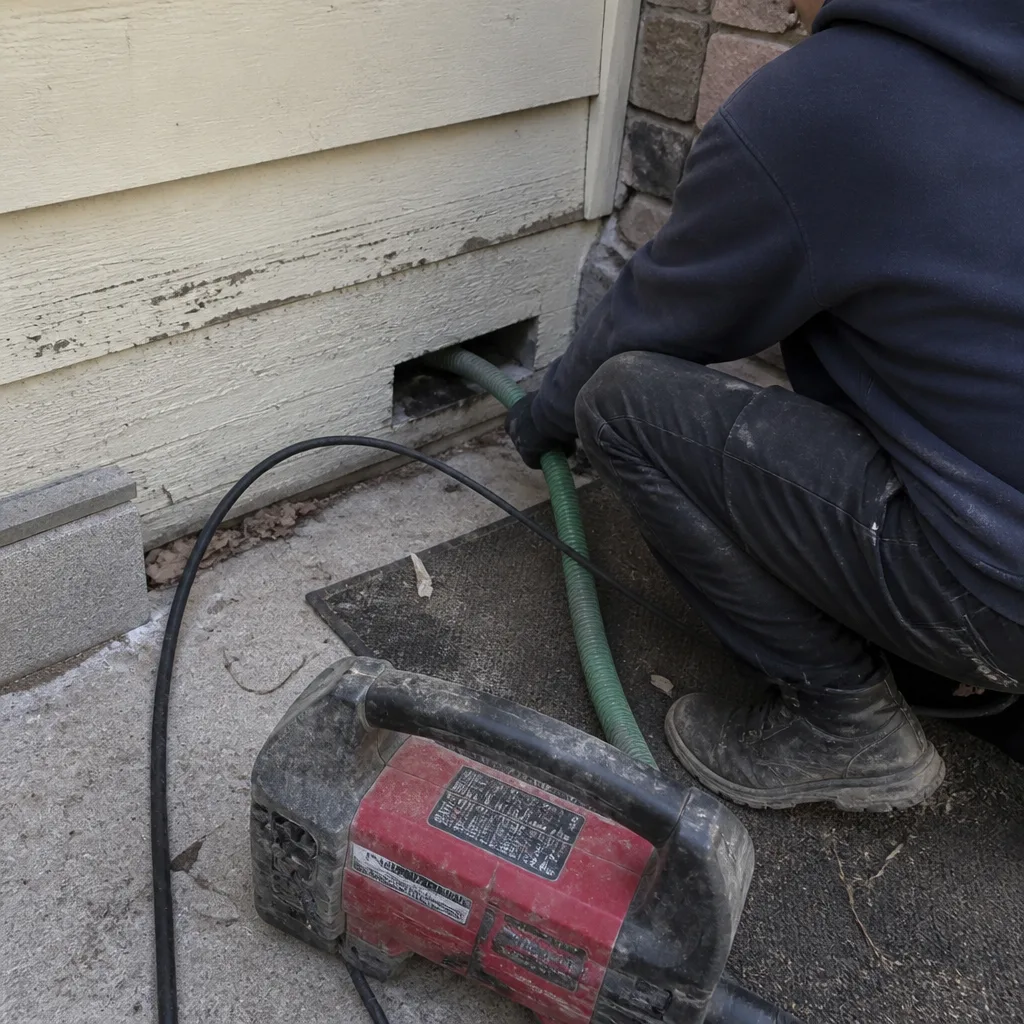
Duct cleaners often treat dryer vent cleaning as an optional add-on, or skip it entirely. We treat it as a core service because a clogged dryer vent is one of the leading household fire hazards in the country, and the lint that builds up in that duct is a fuel waiting for a heat source. It’s also the reason your dryer takes two cycles to finish a load that used to take one.
Erie’s dry climate doesn’t exempt a home from this. Lint buildup happens the same way here as anywhere, and a long vent run to an exterior wall, which is common in newer builds, gives lint more surface to collect on. What a proper dryer vent cleaning involves:
- Disconnecting the dryer vent from the wall and cleaning the full run, not just the section you can reach.
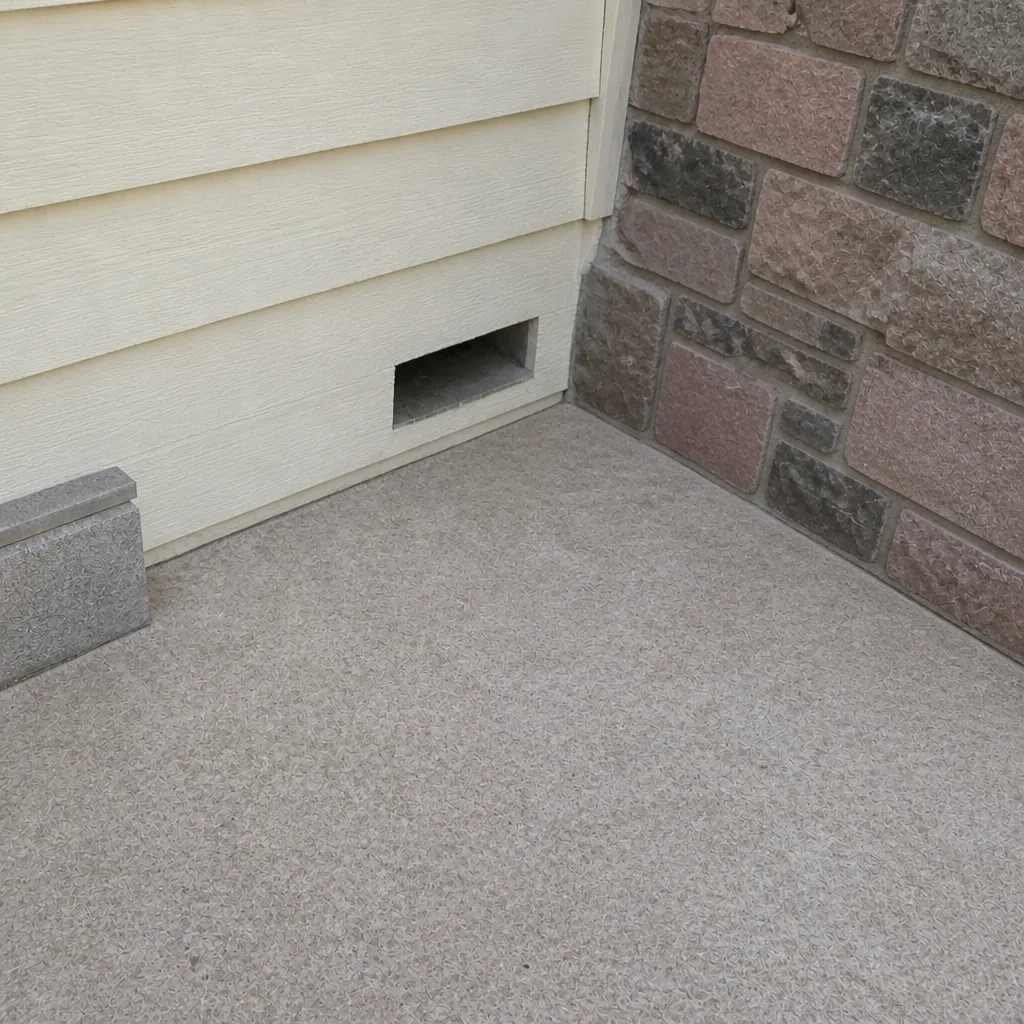
- Clearing the exterior termination and checking the damper flap for proper operation.
- Checking for crushed or kinked flexible duct behind the dryer, which traps lint and restricts airflow.
- Verifying airflow so the next load actually dries in one cycle.
Any time the dryer takes noticeably longer than it used to, or the exterior vent flap doesn’t open freely, it’s worth having the vent inspected. That’s a safety check as much as a maintenance one, and it belongs in a full-system conversation about your air path and your appliances.
What Duct Cleaning Costs in Erie
Duct cleaning in Erie is priced per system, not per vent. The written estimate after inspection sets the final price, and that price reflects the actual condition of the system rather than a teaser number designed to get a technician to your door. The line items below show what goes into a full-system job and why the range varies.
| Service | What it covers | How it’s priced |
|---|---|---|
| Full-system air duct cleaning | Returns, supplies, registers, air handler | Per system, by written estimate after inspection |
| HVAC cleaning | Blower, cabinet, evaporator coil, drain pan | Per system, by estimate |
| Duct repair and sealing | Leaks, disconnected runs, torn insulation found during the job | Per job, quoted on site |
| Air sanitizing | Sanitizing treatment where inspection calls for it | Per system, quoted with the clean |
| Dryer vent cleaning | Full vent run, exterior termination, airflow check | Per vent run, by estimate |
Why the range varies across Erie homes: a newer tract home with long duct runs and post-build drywall debris is a bigger job than a short-run older house. Add an HVAC cleaning or a duct repair and the estimate moves. Add a dryer vent and it moves again. We won’t quote a per-vent price because a vent count tells us nothing about how deep the contamination runs or how much compacted material is sitting at the far end of a run. Call (877) 676-7132 for an exact quote after a free inspection.
Common Mistakes to Avoid
- Quoting by vent count over the phone. A per-vent price ignores duct depth, run length, and debris type. It’s the setup for a low teaser that grows into a much larger invoice once the technician is on site, which is the exact bait-and-switch pattern this trade has earned a reputation for. Insist on a written per-system estimate after inspection.
- Trusting a coupon price without a scope. If the number seems too good to be real, the job behind it is usually just a register wipe. Ask what’s included, specifically whether the air handler and coil are covered.
- Skipping the air handler and coil. Cleaning ducts and leaving the blower and coil dirty misses where the musty smell lives and where airflow is actually lost. A full clean includes both.
- Settling for a shop-vac setup. Consumer-grade vacuums don’t agitate compacted drywall dust or hold containment. Ask what equipment will be on site, and listen for real brands like Rotobrush and Nikro.
- Ignoring the dryer vent. Many duct cleaners treat it as an afterthought or skip it entirely. It’s a fire hazard and a major cause of slow dry times. Get it cleaned when the system is cleaned.
- Cleaning without containment. A job that loosens dust without negative-pressure containment just moves the dust onto your furniture. Ask how cross-contamination is prevented.
- Paying for “repair” without a repair. If an inspection finds a leak or disconnected run, get it fixed on the same visit. Cleaning a system with an open leak will only pull Erie’s wind-driven dust straight back in.
When to Call a Professional
Some duct conditions are worth a call on their own. If you’ve just finished a renovation or moved into a newly built Erie home, the post-build drywall dust should be cleaned from the system before it wears on the blower. If you notice a consistent musty or smoky smell when the heat or AC turns on, that points to the coil or duct surfaces and needs a look. If allergies get worse at home during high-pollen or wildfire-smoke periods, the return side is the first place to check. If your dryer is taking two cycles, get the vent inspected before it becomes a fire risk. And if you can see dust streaks inside the registers, the supply side is worth an inspection.
Erie Air Duct Cleaning Pros offers free estimates in Erie. Call (877) 676-7132. We answer 24/7. Fast dispatch from 7am to 7pm, Sunday through Friday. Our technicians have up to 9 years of experience, and we bring professional-grade equipment from Rotobrush, Nikro, and Abatement Technologies to every job.
Frequently Asked Questions
Air duct cleaning in Erie is priced per system by a written estimate after an inspection, not by a fixed per-vent rate. The job includes returns, supplies, registers, the air handler, and the coil, and the price reflects the actual condition of the system. Call (877) 676-7132 for an exact quote; the estimate is free.
Cheap quotes usually cover less. They often skip the air handler and coil, use consumer-grade vacuums instead of professional systems like Rotobrush or Nikro, and work without containment so debris just settles onto your furniture. A low teaser that grows into a much larger invoice once the technician is on site is the bait-and-switch pattern this trade is known for. Ask what equipment and which components are included before you compare prices. Call (877) 676-7132 for a written per-system estimate.
Ask for before-and-after photos of your own ducts, and ask the technician to walk you through what the inspection found. A credible job includes the inspection findings, the scope of cleaning, and photographic proof from the same system. If a company can’t show you what changed, that’s the sign to slow down. Call (877) 676-7132 to arrange a free inspection.
There’s no universal schedule, but in Erie several factors push the interval shorter than national guidance suggests: wind-driven soil, wildfire smoke season, and post-build drywall dust all load ducts faster than a protected, humid climate would. A newer home after a build, or any home through a heavy smoke season, may need a cleaning sooner than a home in a sheltered area. Call (877) 676-7132 for a free inspection to see where your system stands.
A truck-mounted vacuum pulls from a single external source, so suction drops off at the far end of a long duct run. Rotobrush and Nikro systems combine suction with mechanical agitation, which breaks up compacted drywall dust and adhered soil from the duct walls. For Erie’s newer tract homes with long runs, that reach matters. Call (877) 676-7132 to ask what equipment will be on site for your job.
Yes, if your dryer is running slow or you haven’t had the vent checked. A clogged dryer vent is a fire hazard and a common cause of long dry times. We treat dryer vent cleaning as a core service, not an add-on, and it’s worth doing alongside a system clean. Call (877) 676-7132 to include it in your free estimate.
The Bottom Line
Erie’s climate does something to ductwork that generic national guides don’t account for. Wind-driven soil, wildfire smoke particulate, and post-build drywall dust from the construction boom all load a system faster than a sheltered, humid climate would, and long duct runs in newer homes hold on to that debris. A real cleaning goes beyond the registers to the returns, supplies, air handler, and coil, with containment to keep dislodged debris out of your rooms and professional equipment to actually lift compacted material. That’s what we do at Erie Air Duct Cleaning Pros: five service categories under one company, an honest per-system estimate after inspection, and before-and-after photos so you can see the work. Call (877) 676-7132 for a free estimate. We answer 24/7, with fast dispatch from 7am to 7pm, Sunday through Friday.
For reference, these are the core services we handle: Erie Air Duct Cleaning Pros covers the full air pathway, and every job starts with an inspection and a written per-system estimate.
Written by the team at Erie Air Duct Cleaning Pros.
See the difference
 Before
 After
 Before
 After
 Before
 After