
Last updated November 25, 2026
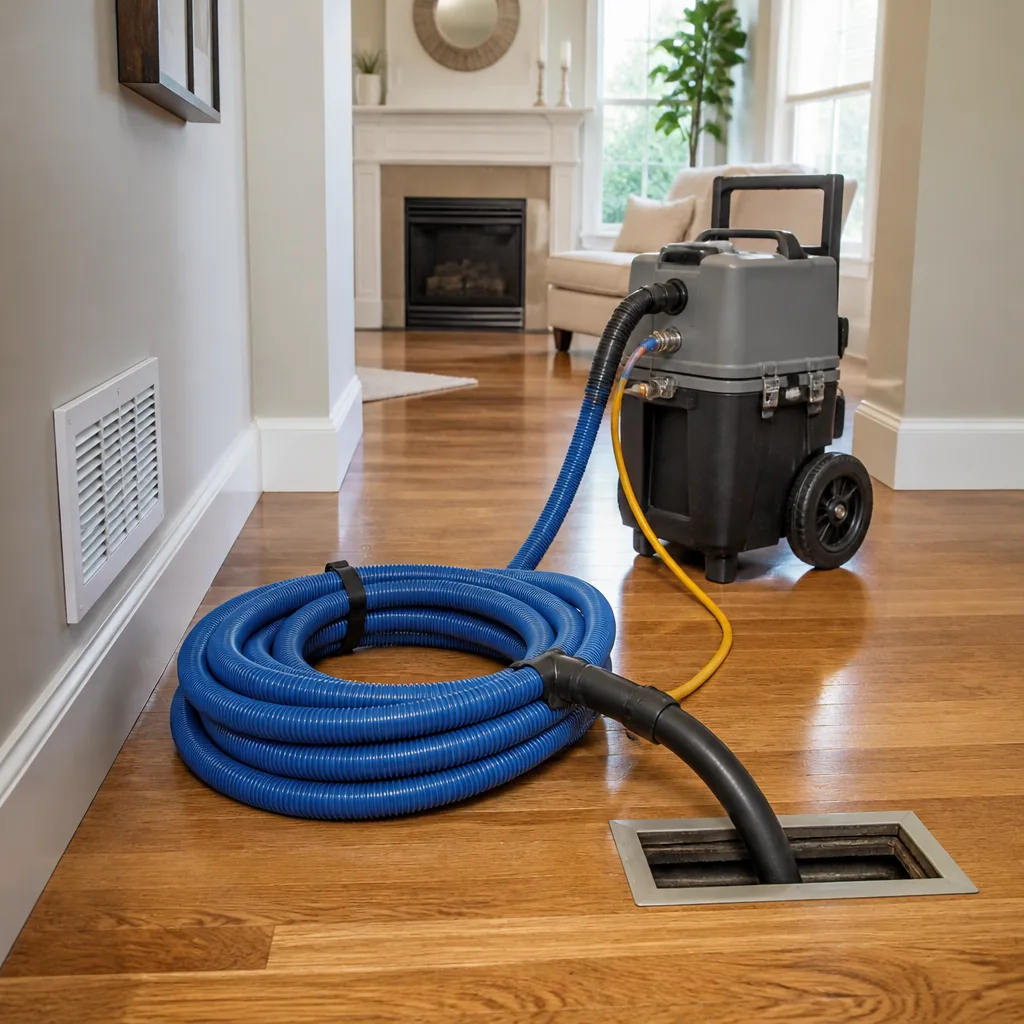 Whole-home duct cleaning
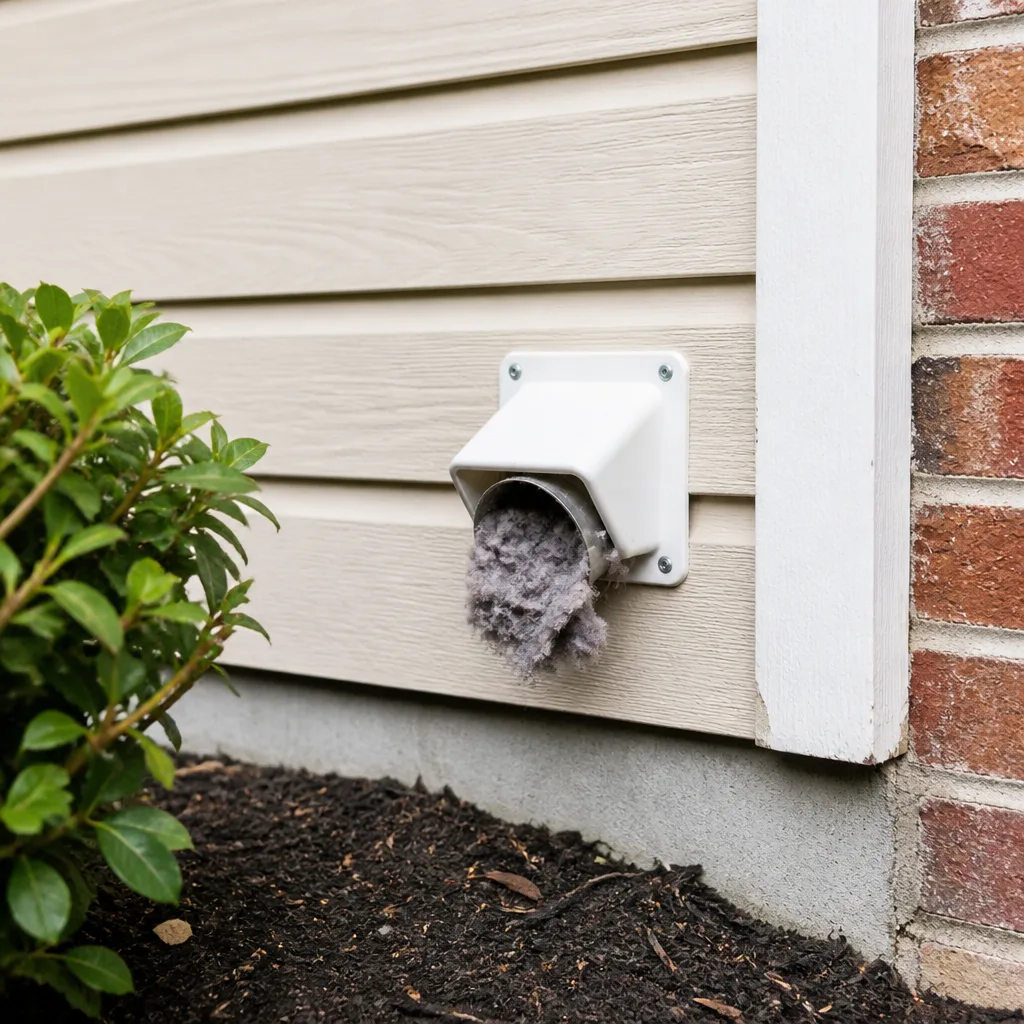 Dryer vent cleaning
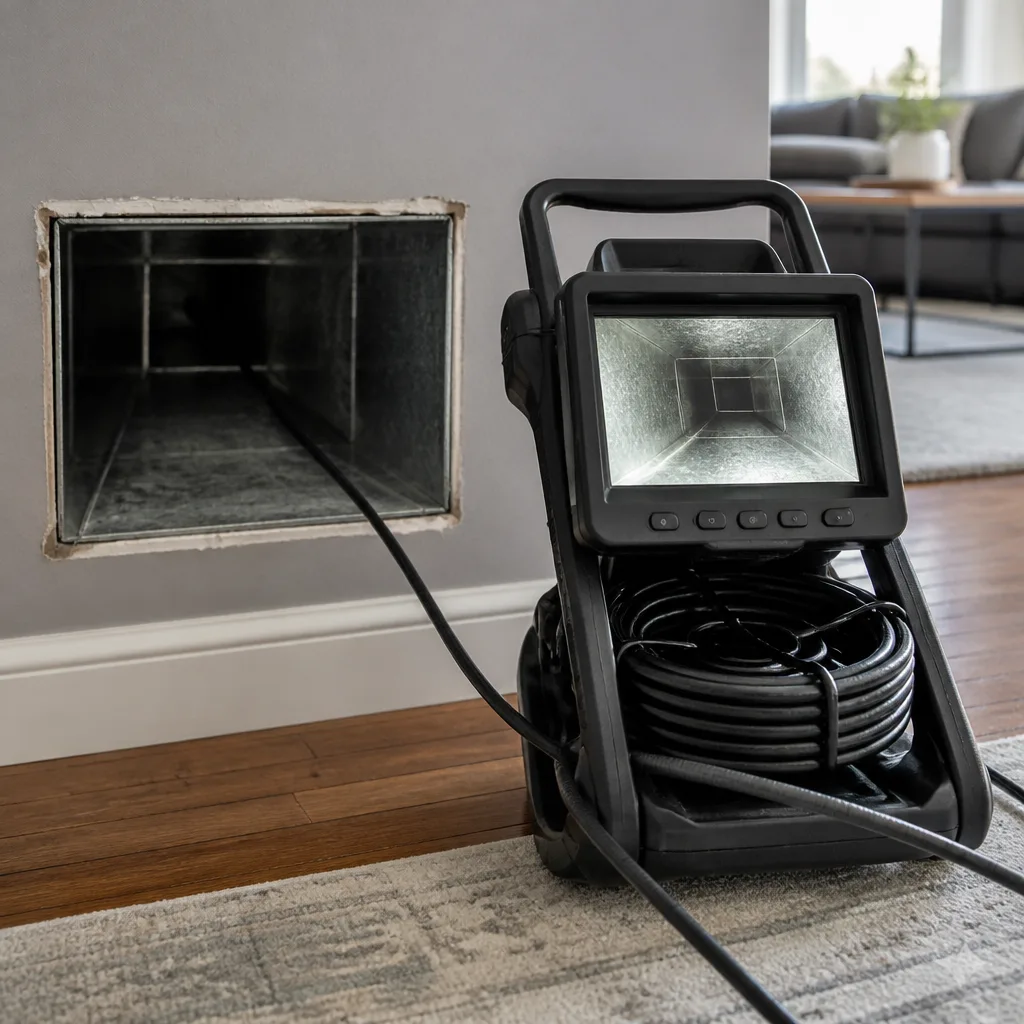 Camera inspection
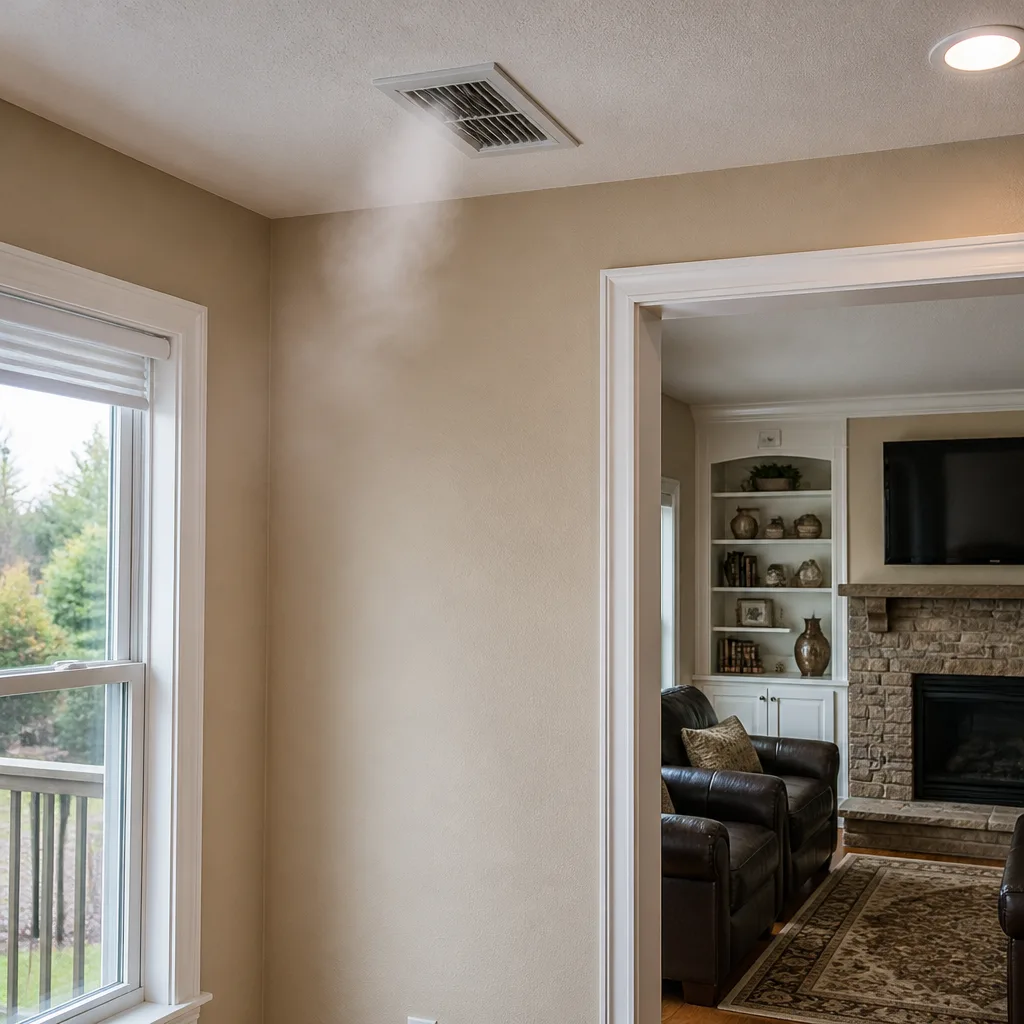 Sanitizing & deodorizing
Whole-system duct and dryer vent check with before-and-after photos - you see exactly what came out of your vents
That "$99 whole-house special" is a bait ad - the real number appears once they are in your hallway, or the "clean" is a shop-vac at the register. We photograph the inside of your ducts before and after instead.
How to Hire an Air Duct Cleaning Contractor in Erie: A Step-by-Step Guide
Colorado does not license air duct cleaners. That’s the uncomfortable truth nobody puts on a flyer. Anyone with a van, a length of flexible hose, and a consumer shop vac can legally call themselves a duct cleaning company in Erie tomorrow, and nothing in state law stops them. Which means the only real protection you have is what you know before you book. This guide hands you a technical vetting framework: the equipment questions to ask, the standards that separate a real contractor from a guy with a vacuum, and a way to compare quotes that describe completely different scopes. We’ll walk through it step by step so you can hire with confidence in Erie.
Quick Answer
To hire an air duct cleaning contractor in Erie, verify four things before you book: the equipment (professional negative-pressure systems like Rotobrush and Nikro, not consumer vacuums), the standard they follow (NADCA membership and ACR compliance you can check), the written scope of work (source removal of debris, HVAC protection, containment), and the price structure (a flat price per system agreed in writing, not a per-vent teaser). Colorado does not license this trade, so vetting falls entirely on you. Demand proof of equipment and process, and don’t sign off on a job until the scope names what will actually happen inside your system.
Styles & brands we work with
- Whole-home duct cleaning
- Dryer vent cleaning
- Camera inspection
- Sanitizing & deodorizing
Table of Contents
- Why Colorado Doesn’t License Duct Cleaners (and What That Means for You)
- The Equipment Questions You Should Ask Every Contractor
- Why NADCA Membership and ACR Compliance Matter
- What a Written Scope of Work Should Include
- Red Flags of a Low-Bid Bait-and-Switch Operation
- How to Compare Quotes Accurately
- What Erie’s Homes and Climate Mean for Duct Cleaning
Why Colorado Doesn’t License Duct Cleaners (and What That Means for You)
In most states, a plumber needs a license, an electrician needs a license, and a duct cleaner needs a pulse. Colorado is no different. Air duct cleaning falls outside the trades the state licenses, so there’s no state registry to check, no exam to pass, and no bond a contractor is legally required to post before knocking on your door in Erie. That vacuum of oversight cuts both ways: it lets good small operators work without red tape, and it lets bad operators work without consequence.
What that means practically is that the burden of verification shifts to you. A company can be legitimate and unlicensed because licensing doesn’t exist. A company can also be a retired lawn-care van with a shop vac taped to a hose. Both can hand you a business card. Only one is going to leave your system cleaner than they found it.
So the question you’re really answering when you hire isn’t “is this person licensed?” It’s “can this person prove they have the equipment, the process, and the documentation to do real source removal?” That’s a skill you can learn in about ten minutes of asking the right questions, which is what the rest of this guide is for.
What you should be able to verify
- Professional equipment by name (Rotobrush, Nikro, or equivalent negative-pressure systems)
- Membership in a trade body such as NADCA, which you can look up
- A willingness to put the scope of work in writing before the job starts
- A flat price per system, not a per-vent number that grows once they’re on-site
- Before-and-after photos of your own ductwork
- Containment gear that keeps dislodged debris from blowing back into your living space
If a contractor can show you those six things, licensing stops mattering. If they can’t, licensing wouldn’t have protected you anyway.
The Equipment Questions You Should Ask Every Contractor
The single most revealing question in this trade is: “What negative pressure system do you use on the truck?” A contractor who cleans ducts properly uses a high-powered vacuum that puts the entire duct system under negative pressure, so debris is pulled toward the machine and out of your house rather than pushed into your rooms. A contractor using a shop vac is doing something else entirely – surface agitation at best, and possibly spreading dust through the home.
When you call to get an estimate in Erie, ask these specific questions. The pause before the answer tells you almost as much as the answer.
- What’s the vacuum system, and what CFM rating does it run? CFM (cubic feet per minute) tells you the airflow the machine can sustain. Ask for the number. A contractor who doesn’t know their own system’s CFM is either renting it or guessing.
- How do you protect the HVAC unit during cleaning? The furnace, air handler, and coils should be isolated or protected before anything touches the ducts. Debris kicked into a coil is a service call you didn’t ask for.
- Do you use containment during the job? Companies that take cross-contamination seriously use containment systems, such as those from Abatement Technologies, to keep dislodged dust from recirculating into occupied rooms. That matters most in homes with allergies, asthma, or recent renovation dust.
- What tools go into the ducts themselves? Look for rotary brush or compressed-air whip systems, plus a camera to see what’s being removed. A hose alone does not equal a cleaning.
- Are you using a name-brand system? Rotobrush and Nikro are the names to listen for. These are the systems used in commercial and industrial settings. A company that arrives with the same gear as a warehouse cleaning crew isn’t cutting corners on equipment.
If a contractor can’t tell you the CFM, can’t describe how they isolate the furnace, and hasn’t heard of containment, you’re looking at surface cleaning with a nice sales pitch. Our technicians have up to 9 years of experience in this trade, and in that time the one thing we’ve seen over and over is that equipment separates a real job from a cosmetic one.
Why NADCA Membership and ACR Compliance Matter
NADCA, the National Air Duct Cleaners Association, publishes the ACR standard – the industry’s reference document for how source removal should actually be done. ACR stands for Assessment, Cleaning, and Restoration, and it lays out a process: assess the system first, clean it properly with equipment matched to the conditions, and then restore or seal what needs to be restored. NADCA membership means a contractor has chosen to be held to that standard, even though Colorado doesn’t require it by law.
That’s why NADCA membership is worth checking. Not every good contractor is a member, and not every member is a good contractor, but membership is a signal you can verify independently. Visit NADCA’s member directory and search the company name. If they claim membership and aren’t listed, that’s a bright red flag. If they’re listed, ask how they apply the ACR standard on a residential job in Erie – a member should be able to walk you through it without notes.
What ACR compliance looks like on a real job
- Assessment: the contractor inspects the system, verifies what’s actually there, and documents the condition before cleaning starts.
- Source removal: the debris itself is physically removed (not just loosened), using negative pressure and mechanical agitation.
- Protection: the HVAC unit is protected and containment is used to keep debris out of the living space.
- Restoration: any leaks, gaps, or damage found during cleaning are documented and repaired or sealed.
- Verification: the work is documented, ideally with before-and-after photos of the same ductwork.
Also ask whether the contractor follows the EPA’s general guidance for duct cleaning, which emphasizes that cleaning should be considered when there’s visible mold, vermin, or a documented source of contamination, and that a “clean-looking” register isn’t the same as a clean system. In our experience, the contractors who reference both NADCA and the EPA are the ones whose scope of work matches what they actually do.
For a fuller picture of what professional air duct cleaning involves, the process starts with assessment and ends with verification – not with a receipt.
What a Written Scope of Work Should Include
A written scope of work is your contract, your protection, and your comparison tool, all in one document. It should be on paper (or a PDF) before a technician touches your system. If a contractor can’t or won’t put the scope in writing, they’re either disorganized or avoiding accountability. Either way, walk.
Here’s what a credible scope should spell out for an Erie job:
- The address and the system being cleaned (number of returns and supplies, furnace, coil, and any duct runs the contractor will and won’t touch).
- The equipment by name and type, with the vacuum system and CFM noted.
- The protection measures: how the HVAC unit is isolated, what containment is used, and how the work area is prepped.
- The cleaning method: rotary brush, compressed air, mechanical agitation, and any sanitizing or deodorizing treatment requested and quoted.
- What happens if damage is found: whether the contractor can repair or seal it during the visit, and at what additional cost.
- The flat price per system, and confirmation that no per-vent add-ons or surprise charges apply.
- Before-and-after photos of your ductwork, included in the price.
- The name of the person doing the work, and when they’ll arrive.
- The warranty or satisfaction terms, spelled out in writing.
That last one matters because damage found mid-cleaning is where a lot of low-bid jobs fall apart. A company that can’t repair a gap or seal a leaking joint on the same visit will hand you a note and send you looking for a second contractor. We handle duct repair and sealing as one of our core services, so if we find a leak or damage while we’re in there, we can seal and repair it on the spot. That single capability changes what a scope can promise.
If your job includes the furnace and coils, ask whether the scope extends to HVAC cleaning or stops at the ducts. They’re not the same job.
Red Flags of a Low-Bid Bait-and-Switch Operation
The bait-and-switch in this industry is well-worn. A company advertises a low price to get in the door, then finds “problems” once they’re inside – mold, damaged ducts, contamination – and the invoice grows by several multiples. The customer is already committed, the equipment is already in the driveway, and the technician is standing there with a clipboard. It works because it exploits exactly the moment when you can’t easily say no.
Here are the specific signals to watch for. None of them is a certain sign of fraud on its own, but three or four together is a clear warning.
- Price quoted per vent. Per-vent pricing invites the crew to discover more vents, or to argue that the ones in the room they haven’t cleaned count extra. Whole-system flat pricing avoids this entirely.
- No written scope before the visit. A contractor who can’t state exactly what they’ll do in writing isn’t going to be held to it.
- Pressure to “sanitize” mid-job. If you didn’t ask for sanitizing and it wasn’t in the scope, it shouldn’t appear on the invoice.
- Claims that “we found mold” with no photos. In Erie’s dry climate, genuine mold in ducts is uncommon and should be documented. Ask for pictures of the specific area, taken during the visit, before you agree to anything.
- No name-brand equipment. A van full of unmarked consumer vacuums and a hose is not a duct cleaning operation.
- Unwillingness to share before-and-after photos. If the work is real, the photos exist. If they don’t, you’re paying for a story.
- No verifiable trade membership. If they claim NADCA and aren’t in the directory, that’s a fabrication.
The antidote is simple: ask for the scope in writing, ask for the equipment names, ask for the flat price, and don’t sign off on any add-on you didn’t request. A legitimate contractor will welcome all four.
How to Compare Quotes Accurately
Comparing duct cleaning quotes is hard because two contractors can describe completely different jobs using the same words. “Duct cleaning” from one company means a full negative-pressure source removal job with containment and verification. From another it means a guy waving a hose in the returns. Same phrase, totally different work. To compare fairly, you have to normalize what’s being offered.
Line up at least three quotes side by side and check each against this list:
- Is the price flat per system, or per vent? Flat-per-system quotes compare cleanly. Per-vent quotes hide the final number.
- Does the quote name the equipment? Rotobrush, Nikro, or equivalent negative-pressure systems. If it doesn’t say, the quote isn’t comparable.
- Is containment included? Abatement Technologies-style containment is not standard on every job. If it’s not in the quote, it’s not in the job.
- Is HVAC protection included? The furnace and coil should be isolated. If the quote doesn’t mention it, ask.
- Is repair and sealing included, or quoted separately? If problems are found, is the contractor able to fix them in the same visit?
- Are before-and-after photos included in the price? They should be standard, not an extra.
- What’s the written scope? Read both. If one is two lines and the other is a page, they aren’t comparable quotes.
When you’ve done that, the picture clarifies fast. A quote at a third of the others is either mis-scoped (cleaning less than you think) or bait (designed to grow on-site). A quote that names the equipment, the containment, the HVAC protection, and the flat price is the real one, even if it isn’t the cheapest. You can read more about how a full service compares in our guide to Erie Air Duct Cleaning Pros and our related services.
One more thing: ask each contractor whether their scope includes dryer vent cleaning. Ours does, as a core service rather than an upsell, because a clogged dryer vent is one of the leading household fire hazards in a category most duct cleaners treat as an afterthought.
What Erie’s Homes and Climate Mean for Duct Cleaning
Erie sits on the Front Range, which shapes how duct systems behave in this town. Two facts matter most. First, the summers are dry and windy, and dust loads in the air are high – which means ductwork on this stretch of the Front Range collects more particulate than systems in humid climates. Second, the winters bring long heating seasons, so the furnace runs for months on end, moving that collected dust through the house every time the blower kicks on. Neither of those facts makes duct cleaning more urgent than it would be anywhere else; they just shape what a cleaning job actually has to remove.
Then there’s the housing stock. Erie has a mix of older homes and newer builds, and both have duct features worth knowing about. Older homes, particularly those that have seen additions or renovations, often have ducts that were reconfigured or joined to new runs, and those joints tend to develop leaks over time. Newer homes aren’t immune – construction dust from the build itself can settle into ducts and recirculate for years if it’s never been cleaned out. If you’ve just bought a newer home in Erie or moved into one that’s been renovated, that’s a good moment to ask whether the ducts have ever been cleaned.
One local note worth flagging: Erie has a healthy population of households with dogs, cats, and kids, and while we’re not going to tell you what to do about your family, the practical consequence is more hair, dander, and tracked-in dust being pulled through the returns. Homes with pets tend to need more frequent cleaning than the general “every few years” guidance suggests. If you’re seeing dust settling faster than it used to, or the registers look grey, that’s the signal.
If you’ve got a dryer that takes longer than it used to, that’s usually a separate problem – and it’s one we treat as a core service. You can read about our dryer vent cleaning for what to expect there.
Common Mistakes to Avoid
- Hiring on price alone. The lowest quote is usually the least scoped. A price that can’t be matched to a written scope isn’t a real price, it’s an opening offer.
- Accepting a per-vent quote. In a flat-price market, per-vent pricing only works to the contractor’s advantage. Ask for the whole-system price in writing.
- Not asking about the equipment. A contractor who can’t name their vacuum system and CFM is almost certainly using consumer gear. Ask before you book.
- Skipping the written scope. If it isn’t in writing, it isn’t happening. Get the scope in the quote, not in a phone call.
- Signing off on mid-job “sanitizing”. If it wasn’t in your scope, it shouldn’t be on the invoice. Ask for photos before agreeing to anything added in the field.
- Not checking NADCA membership. It takes a minute to look a company up in the directory. Skip it and you’re relying on the company’s own word.
- Assuming newer homes don’t need attention. New construction dust can sit in ducts for years and recirculate every heating cycle. Ask when the system was last cleaned.
See the difference
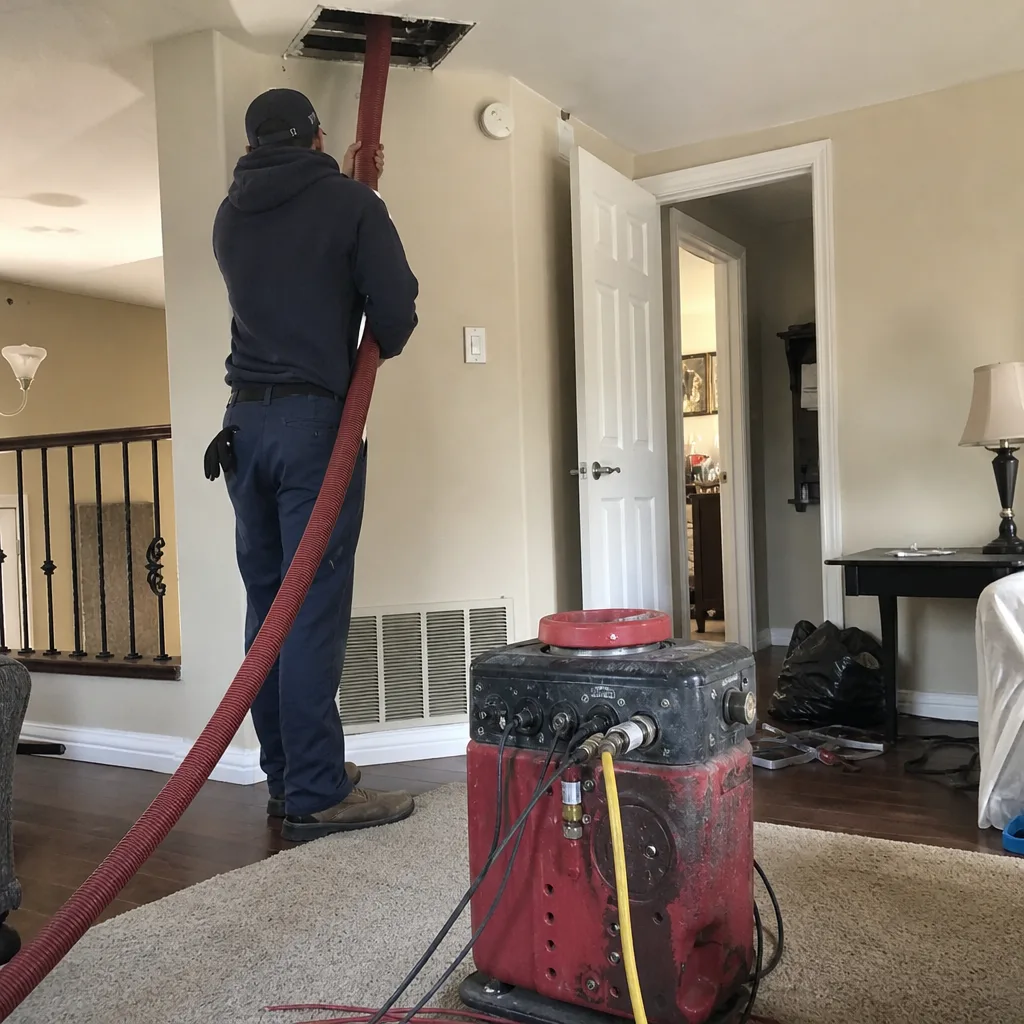 Before
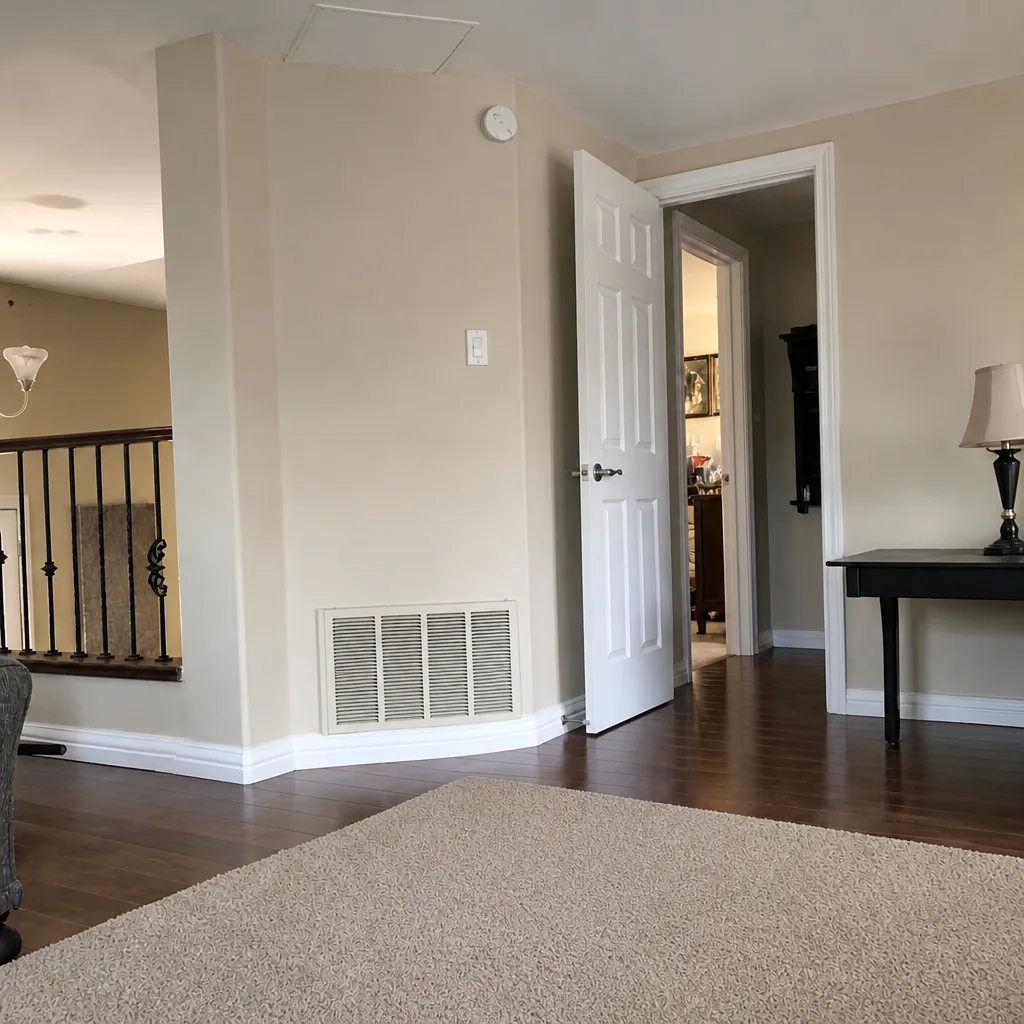 After
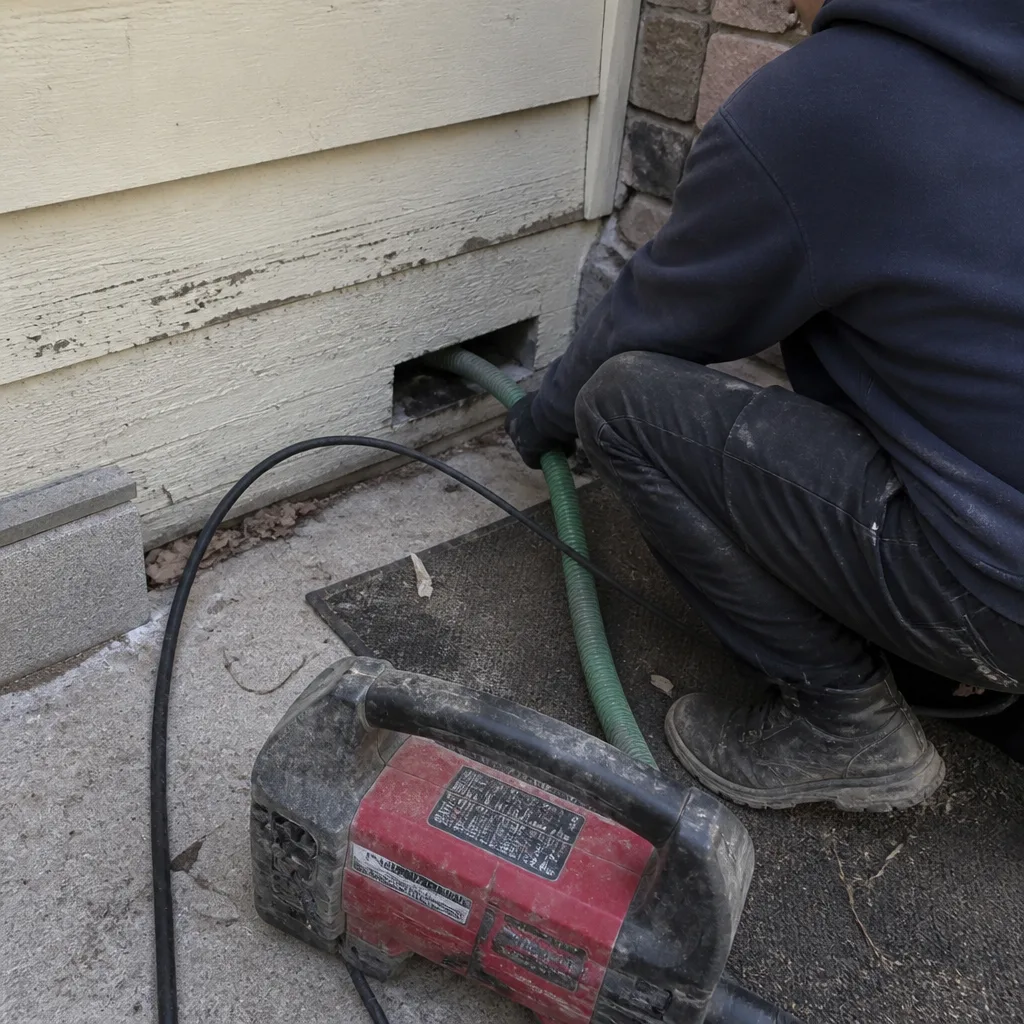 Before
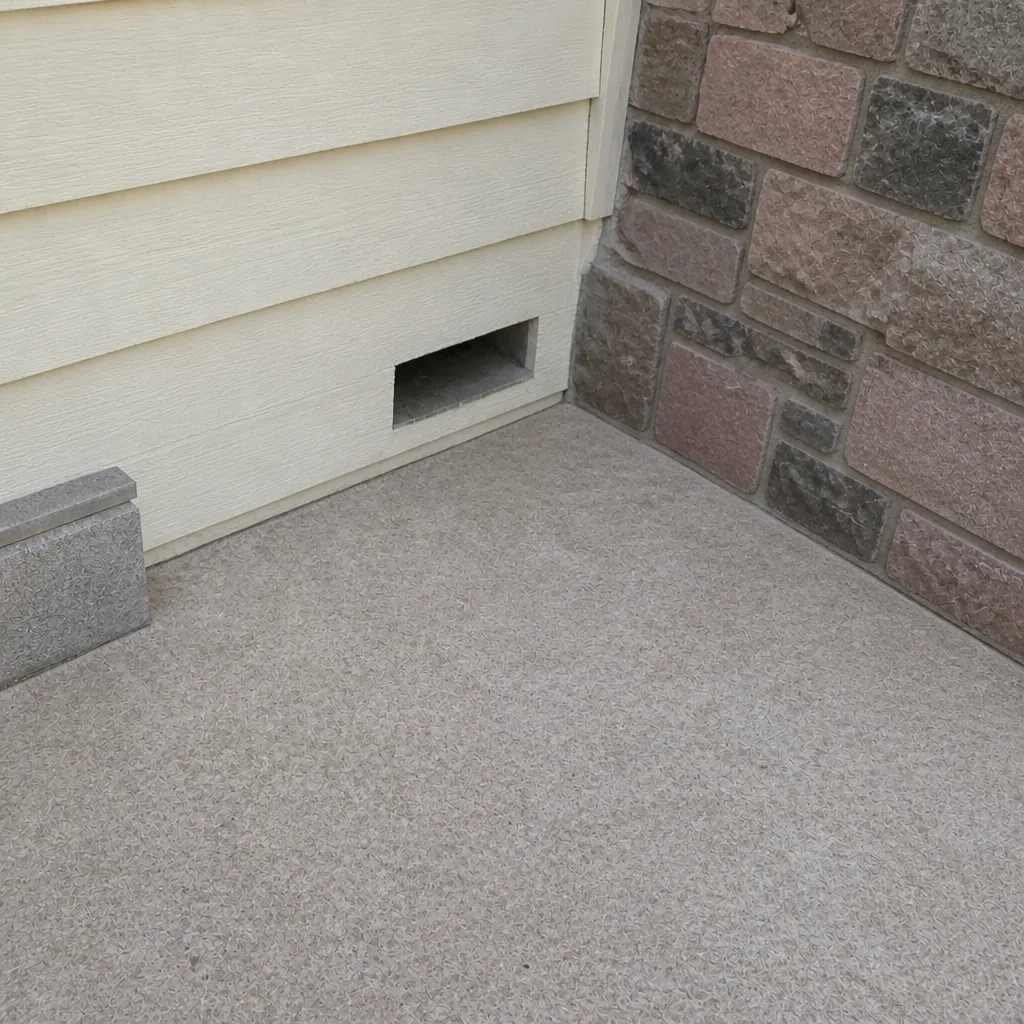 After
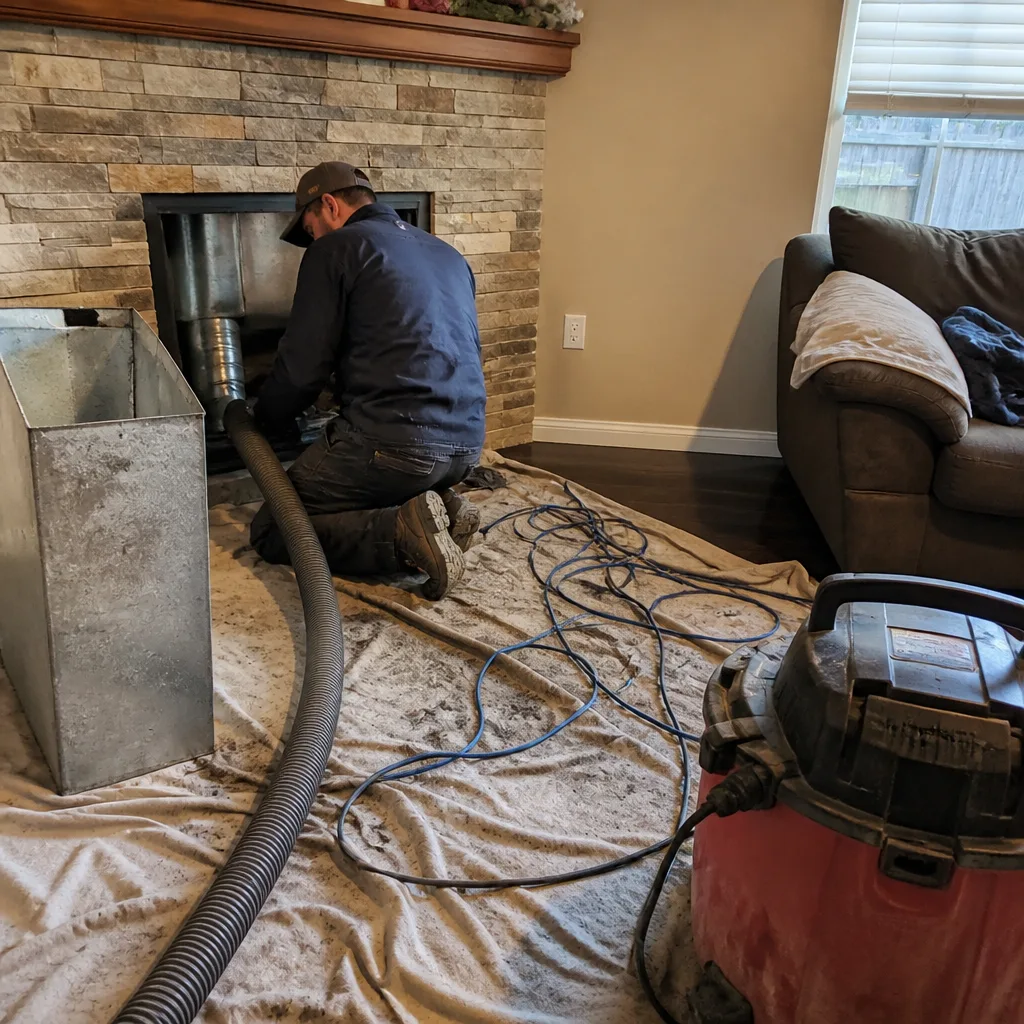 Before
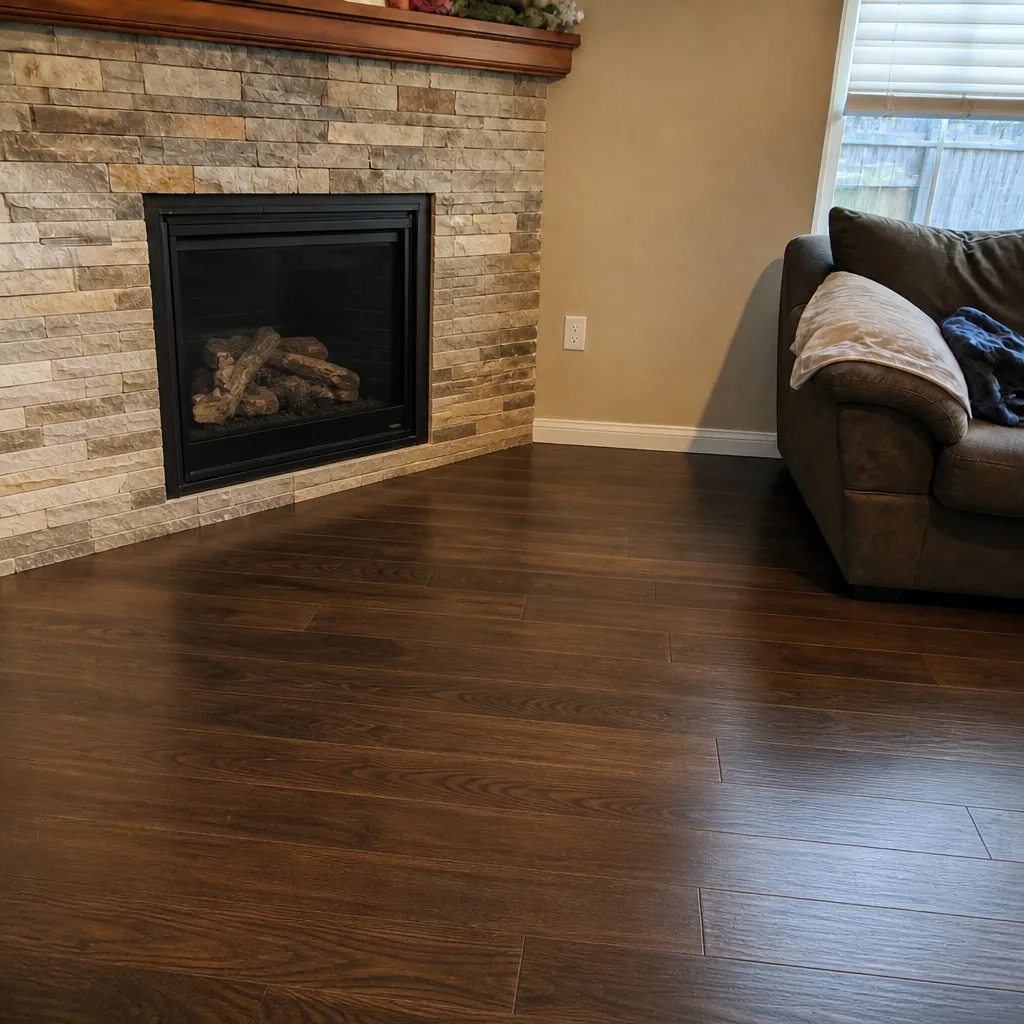 After
When to Call a Professional
Some duct problems are obvious and some aren’t. Call a professional if you’ve had a renovation or new construction in the last few years and the ducts haven’t been cleaned since, if you’ve noticed a musty smell coming from the returns or registers, if you’re seeing more dust settling in the house than usual, if a family member’s allergies seem worse indoors than outdoors, or if you’ve spotted visible debris or vermin droppings anywhere in the system. A dryer that takes two cycles to dry a normal load is another signal, and one that matters for safety. Colorado doesn’t license this trade, so the vetting is on you – but that’s exactly what this guide is for. Erie Air Duct Cleaning Pros offers free estimates in Erie – call (877) 676-7132.
Frequently Asked Questions
Check four things: the equipment they use (named professional systems like Rotobrush or Nikro with a stated CFM), whether they’re NADCA members you can verify in the directory, whether they’ll put a written scope of work in writing before starting, and whether they price at a flat rate per system rather than per vent. Colorado doesn’t license this trade, so those four checks do the work licensing would do elsewhere. Call (877) 676-7132 for an exact quote; estimates are free.
No. Colorado does not license air duct cleaning, which means anyone can legally operate without a state credential. That’s why trade certification (NADCA) and equipment verification matter more here than the license question. Ask for the standard they follow rather than the license number they’d have elsewhere.
Cheap quotes are usually scoped for less work: consumer vacuums instead of negative-pressure systems, no containment, no HVAC protection, and a per-vent price that grows on-site. A quote at a fraction of the others isn’t a bargain, it’s a different job described with the same words. Ask what equipment and containment are included before comparing price. Call (877) 676-7132 to talk through what a full-system quote covers.
Most homes don’t need it on a calendar schedule. Clean when there’s a reason: visible debris or mold, a recent renovation, pest activity, a musty smell, or a system that’s never been cleaned. Erie’s dry, dusty summers and long heating seasons push more particulate through ducts than humid climates, and homes with pets tend to need it more often. Call (877) 676-7132 for an honest read on your system.
It should name the equipment and CFM, the protection measures (how the furnace and coil are isolated and what containment is used), the cleaning method, the flat price per system, whether repair and sealing can be done in the same visit, and confirmation that before-and-after photos are included. If the scope is one line of text, it isn’t a scope. Call (877) 676-7132 and we’ll walk through what’s in ours.
Ask for before-and-after photos of your own ductwork, taken during the visit, plus a description of what was removed and any damage found. A contractor who does real source removal has nothing to hide in a camera shot. If photos aren’t offered, ask for them before you pay. Call (877) 676-7132 for an estimate that includes documentation as standard.
The Bottom Line
Hiring a duct cleaner in Erie comes down to four checks you can do in a phone call: name the equipment (Rotobrush or Nikro, and the CFM), verify the standard (NADCA and ACR), demand the written scope, and insist on a flat price per system. Colorado doesn’t license this trade, so the vetting is on you, and the checks above are what replacing a license actually looks like in practice. Get three quotes, normalize them against the same questions, and hire the one that names their process in writing. Call (877) 676-7132. We answer 24/7. Fast dispatch from 7am to 7pm, Sunday through Friday.
Written by the team at Erie Air Duct Cleaning Pros.