
Last updated November 25, 2026
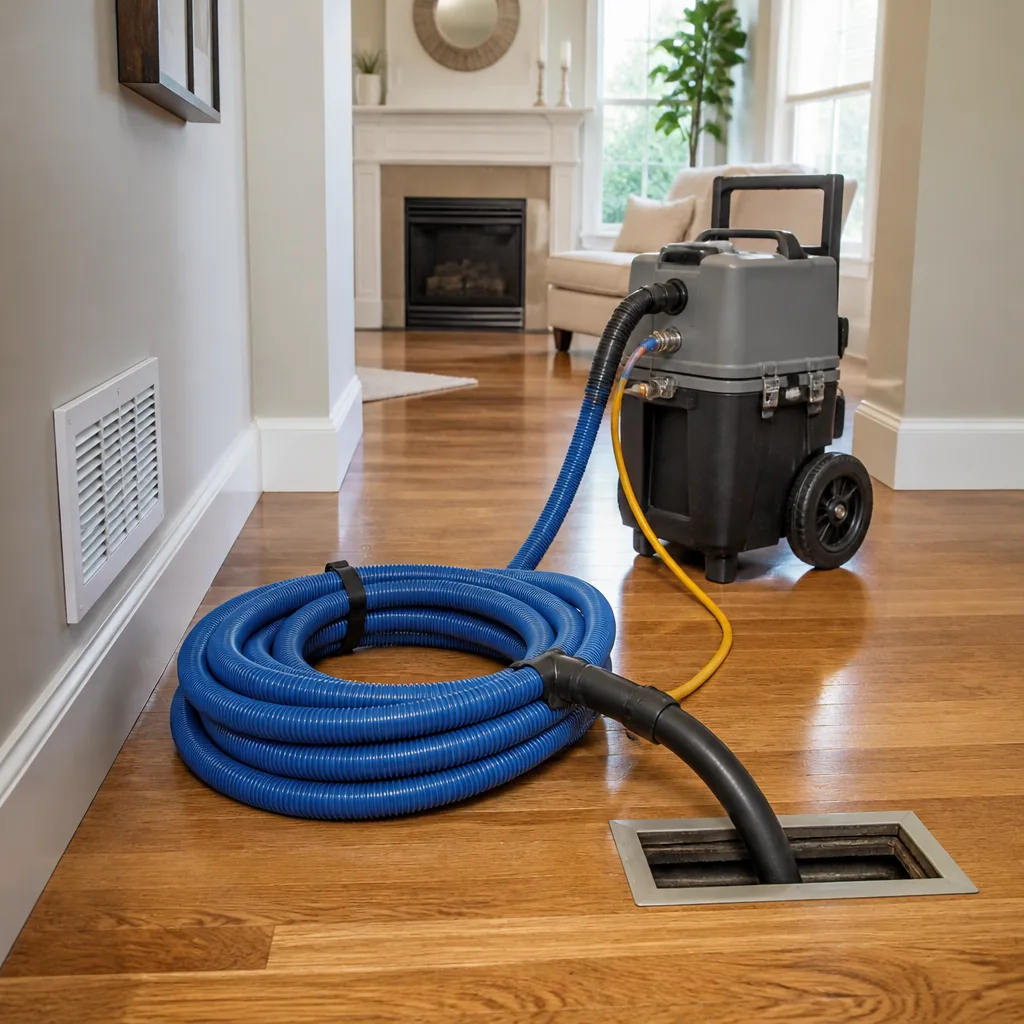 Whole-home duct cleaning
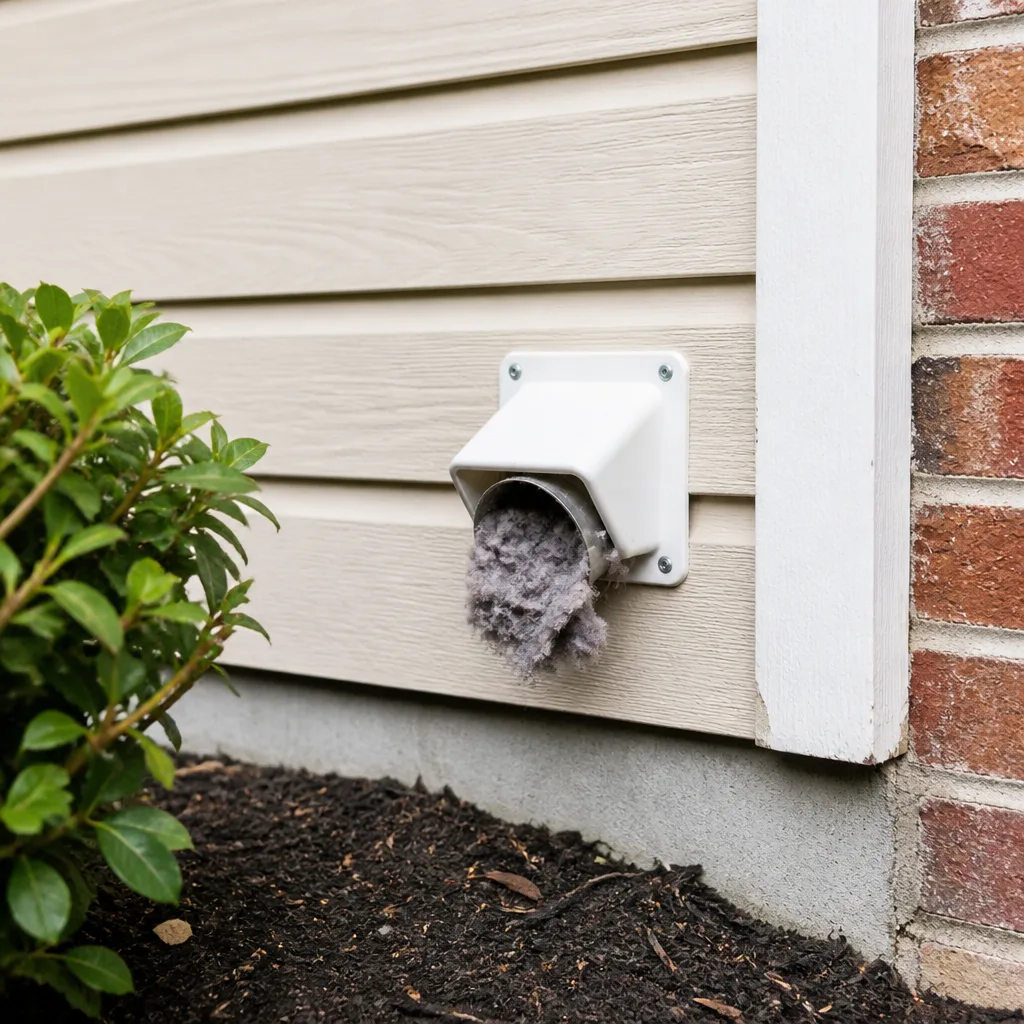 Dryer vent cleaning
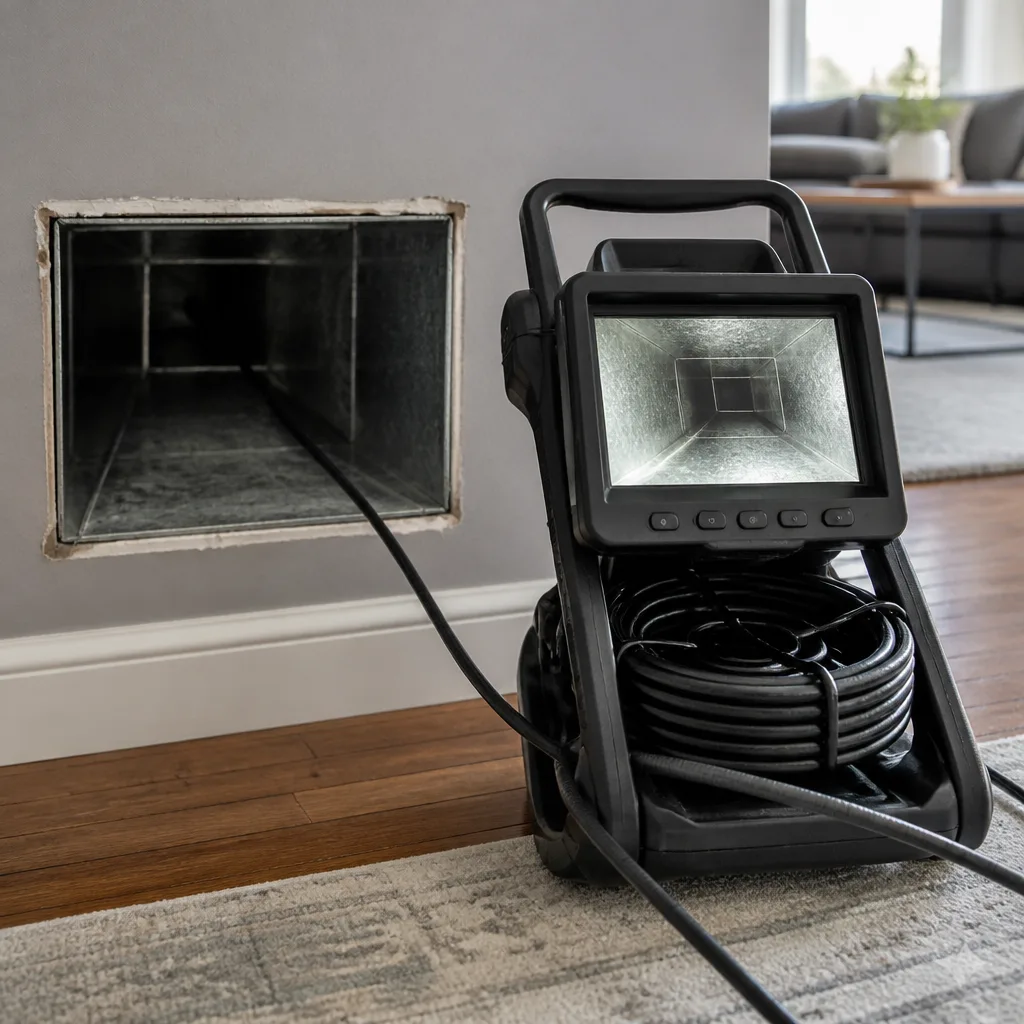 Camera inspection
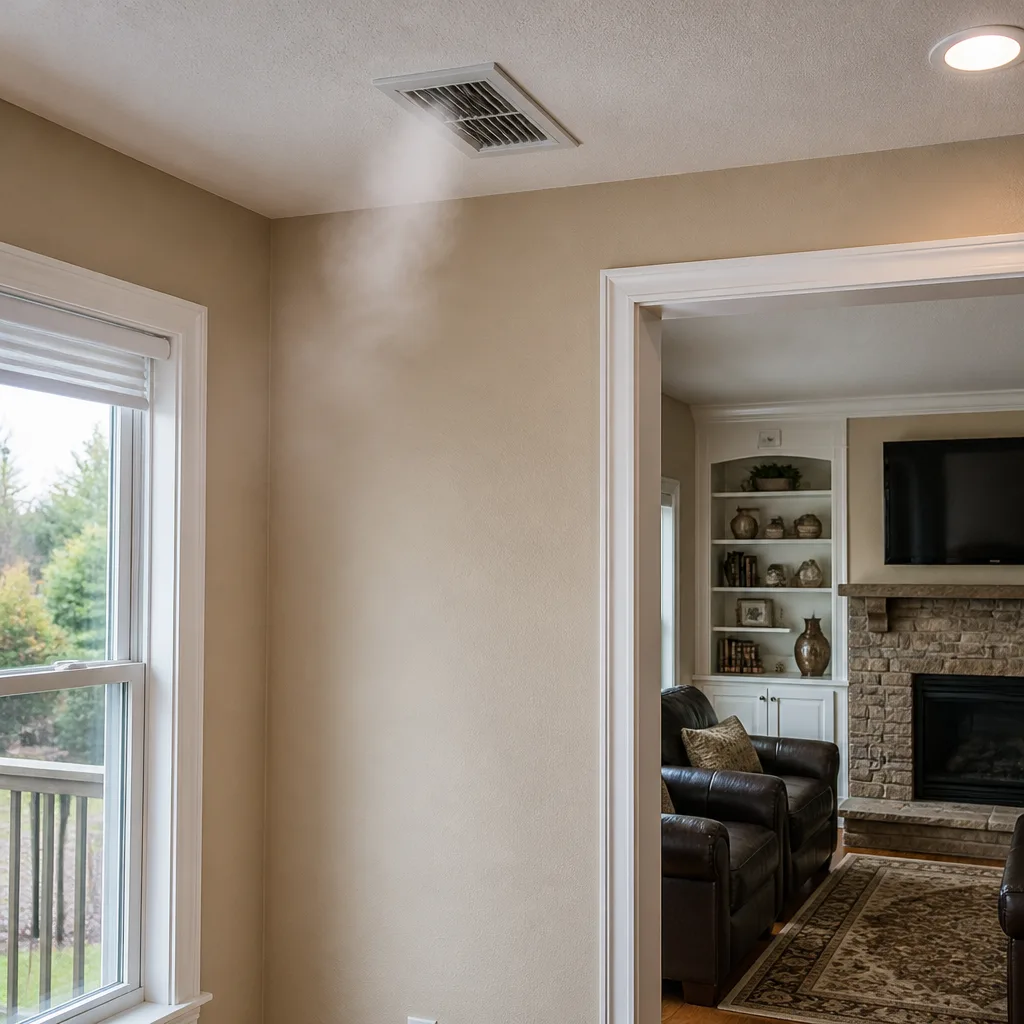 Sanitizing & deodorizing
Whole-system duct and dryer vent check with before-and-after photos - you see exactly what came out of your vents
That "$99 whole-house special" is a bait ad - the real number appears once they are in your hallway, or the "clean" is a shop-vac at the register. We photograph the inside of your ducts before and after instead.
Seasonal Air Duct Cleaning Care for Erie: Year-Round Homeowner’s Guide
Most homeowners in Erie think about their ducts once: when something smells, when a bill spikes, or when company is coming. That’s the misconception this guide exists to correct. Your duct system doesn’t sit still through the year – it takes in whatever the season is pushing at it. Spring brings construction dust from new builds and wind-driven soil into return air paths. Summer pulls wildfire smoke particulate toward a filter that may already be loaded. Fall floods the returns with pollen just as the furnace wakes up. Winter’s dry air turns the whole system into a static-charged trap. What follows is a season-by-season look at what actually changes inside your ducts in Erie, what to watch for, and how to time professional service so you’re not paying for the same visit twice.
Quick Answer
Air duct cleaning in Erie works best on a seasonal rhythm, not a one-and-done schedule. Plan a full cleaning in spring before construction and pollen season peak, check or change your filter when summer wildfire smoke arrives, address return grilles and static pressure in fall, and treat winter as your inspection window for leaks that quietly raise your energy bill. Homeowners in Erie who stagger duct work with their seasonal HVAC tune-up avoid redundant service calls and catch problems before they compound.
Styles & brands we work with
- Whole-home duct cleaning
- Dryer vent cleaning
- Camera inspection
- Sanitizing & deodorizing
Table of Contents
- Why Erie’s Seasons Change What’s in Your Ducts
- Spring in Erie: Construction Dust and Wind-Driven Soil
- Summer in Erie: Wildfire Smoke and Filter Timing
- Fall in Erie: Pollen, Return Grilles, and Static Pressure
- Winter in Erie: Dry Air, Run Time, and Measurable Leaks
- How to Stagger Duct Cleaning with HVAC Tune-Ups
- What Professional-Grade Duct Cleaning Actually Involves
- Building Your Erie Duct Calendar
Why Erie’s Seasons Change What’s in Your Ducts
An air duct system is not a closed loop. Every time your HVAC system runs, it pulls air from your living space into return grilles, moves it through the furnace or air handler, and pushes it back through supply vents. That air carries whatever is suspended in it at that moment. In Erie, “that moment” changes dramatically from month to month, and so does the particulate load your ducts are handling.
Think about what a single year in Erie puts into the air around a typical home. Spring construction activity in growing neighborhoods kicks up fine drywall dust and sawdust that migrates toward return air pathways. Summer brings smoke from regional wildfires, which the EPA and local air quality agencies track with color-coded alerts. Fall ushers in a pollen surge from prairie grasses and trees well before the first frost. Winter dries the air out and raises the hours your furnace runs each day. Each season stresses the system differently.
That’s why a fixed “clean every few years” schedule misses the point. What matters is what your ducts have been breathing. A home near active construction in Erie may need attention far more often than a settled property a few streets over. The seasonal rhythm is the more useful framework.
What changes season to season
- Particulate type: construction dust, smoke, pollen, and dry-air static each behave differently in a duct system.
- System run time: the furnace and AC run in different patterns, so air moves through the ducts at different volumes.
- Filter loading: filters trap what reaches them, and a loaded filter changes how the whole system breathes.
- Pressure balance: blocked returns and sealed homes shift static pressure, which affects performance and comfort.
We’ll take each season in turn, and at each step we’ll flag what’s worth checking yourself and what deserves a professional visit. If you want the shorthand version of what a full service visit covers, our air duct cleaning page lays out the process end to end.
Spring in Erie: Construction Dust and Wind-Driven Soil
Spring is the season most Erie homeowners underestimate. It’s warm enough to open windows and dry enough to kick up dust, and if you live anywhere near active construction – and in a town that keeps growing, that’s a lot of us – your return air paths are pulling in fine particulate all day. Drywall dust is especially stubborn: it’s light, it travels, and it settles into the same crevices your supply vents blow out of every time the AC cycles on.
On top of construction dust comes wind-driven soil. Erie sits on open prairie, and spring winds move topsoil in ways that a more sheltered landscape doesn’t experience. That soil enters through every gap: window frames, door sweeps, and yes, return grilles. The return side of your system is the vacuum side, so it’s the first place this stuff accumulates.
What a spring cleaning should address
- Source removal, not just surface cleaning. Loose debris needs to be agitated and extracted, not just wiped at the registers.
- Return air pathways. These collect first and heaviest. A technician should show you what came out of them, with before-and-after photos of your own ducts.
- Filter condition and MERV timing. Spring is a reasonable point to reassess whether your current filter is right for the household.
- Any duct damage spotted during cleaning. A leak or a disconnected joint found in spring can be sealed before it wastes conditioned air all summer.
Spring is also the smartest time to get a full system cleaning booked, because you’re ahead of pollen season and summer smoke. If you’ve recently finished a renovation or bought a home that just went through one, a spring visit pays for itself in what it catches. For households juggling both duct work and laundry ventilation, our dryer vent cleaning service often gets scheduled in the same visit.
Summer in Erie: Wildfire Smoke and Filter Timing
Summer air quality in Erie increasingly means one thing: wildfire smoke. On smoky days, the particulate that reaches your home is fine enough to hang in the air and small enough to pass through a standard filter if it’s loaded or under-rated. When outside air quality is poor, the practical move is to close up the house and let the HVAC system filter what’s indoors. That only works if the system is actually in a position to filter well.
The key question is filter timing. Many homeowners change filters on a fixed calendar – once a season, say – which gets expensive and misses the point. During a smoke event, a filter that’s been in place for two months is doing much less work than a fresh one. And a filter that’s fully loaded stops protecting anything, because air starts finding its way around or through it.
Summer strategy for smoke season
- Watch the air quality index. During a red-flag week, check your filter and replace it if it’s visibly grey or loaded.
- Upgrade thoughtfully. A higher-MERV filter can help with smoke particulate, but your system has to be able to move air through it without straining. Not every blower is designed for a dense filter, so it’s worth confirming before you swap in the thickest option on the shelf.
- Keep windows closed during smoke events. The system filters the air it has; extra smoke entering through open windows defeats that.
- Plan the cleaning around smoke season, not during it. A full duct cleaning during a smoke event can stir up settled material. Scheduling it before summer gives you a cleaner system to filter with.
Air quality products from Honeywell and Aprilaire are worth a conversation if you want a more complete approach than filters alone. And if your summer cleaning includes examining the air handler and evaporator coil, the details on our HVAC cleaning page show what that involves.
Fall in Erie: Pollen, Return Grilles, and Static Pressure
Fall is the season where an overlooked return grille starts to hurt. Before the first hard frost, prairie grasses and trees release a final round of pollen. That pollen collects on return grilles and works its way into the return duct run – and by the time the heating system fires up for the winter, that debris is sitting right on the path your warm air travels.
Here’s the part most homeowners don’t hear: a clogged return grille does more than look dirty. It changes the static pressure in your system. Static pressure is the resistance air meets as it moves through the ducts. When returns are blocked, the system works harder to pull the air it needs, which reduces airflow to the rooms farthest from the furnace and stresses the blower. A system with restricted returns can feel like it’s underperforming when the real issue is a blocked pathway.
Fall checklist
- Inspect every return grille in the house, including the ones in finished basements and hallways. Dirty faces are the first sign of a loaded run.
- Vacuum visible grille faces as a stopgap, but understand that only addresses the surface.
- Note cold spots or weak airflow as you approach heating season. Uneven airflow can point to a return restriction or duct leakage.
- Schedule duct repair and sealing if a technician finds leaks. Duct repair and sealing capability means identified problems get resolved on the visit, not just noted on an invoice.
Fall is the ideal window to book a cleaning ahead of increased furnace run time. If a fall visit uncovers a disconnected joint or a seam opening up, that’s the moment to seal it – before winter sends heated air into spaces you never meant to heat.
Winter in Erie: Dry Air, Run Time, and Measurable Leaks
Winter is when duct leakage becomes measurable on your energy bill. Two things happen at once. First, the air dries out, and low indoor humidity makes fine dust and particulate more prone to static buildup – it clings to duct walls and settles in place rather than moving through the system. Second, your furnace runs far more hours per day, moving whatever is in the ducts through the system over and over. If there are leaks, all that conditioned air is escaping into unconditioned space, and you’re paying to reheat it.
This makes winter the best season for an inspection, even if it’s a poor season for a full cleaning (more on that below). The reasoning is simple: leaks show up as a performance and cost problem most obviously in winter, when the gap between what you’re heating and what’s actually reaching your rooms is widest.
What to watch in winter
- Dust on horizontal surfaces that returns within days. That’s a sign the supply air is carrying particulate.
- Rooms that feel drafty near supply vents. A weak or leaking supply duct can feel like a draft.
- Static shocks when you touch doorknobs. Dry air raises static throughout the home, and ducts catch the buildup.
- A blower motor that runs more than it used to. Restricted returns or leaks can make the system work harder to deliver the same comfort.
If any of that rings true, a professional visit can confirm what’s actually happening. Sealing leaks means the system stops losing conditioned air before it reaches your rooms – and the effect is usually most obvious in the middle of a cold snap, which is exactly when it’s worth finding. We’ll connect a leaky system to the full pathway in our Erie Air Duct Cleaning Pros overview if you want the wider picture.
How to Stagger Duct Cleaning with HVAC Tune-Ups
Here’s a scheduling insight that saves Erie homeowners real money and hassle: HVAC tune-ups and duct cleaning are best sequenced, not stacked randomly. Both involve getting into your system, and both are more efficient when they’re coordinated. But they aren’t the same service and shouldn’t be outsourced to the same visit by default.
A tune-up checks the mechanical side – the furnace, the blower, the ignition, the refrigerant charge on an AC. Duct cleaning addresses the air pathway – the ducts, registers, grilles, and what’s flowing through them. When they’re close together, a technician who just cleaned your ducts knows what the return lines look like, and a technician who’s just done a tune-up knows whether the blower is laboring against a restriction. Stagger them a few weeks apart, not back to back, so the system has time to reveal issues.
A practical sequencing plan for Erie
- Late winter / early spring: duct inspection and cleaning, ahead of construction and pollen season.
- Mid-spring: HVAC tune-up as you transition to cooling. Note anything the duct technician flagged.
- Summer: filter reassessment during the smoke season, when loading accelerates.
- Early fall: HVAC tune-up before heating season, plus a return grille check.
- Fall / early winter: any duct repair or sealing identified in the fall check, before the deepest cold sets in.
Scheduling in this order means each visit picks up where the last one left off, and you’re not paying for a service technician to re-cover ground someone else just covered. If your home has an older duct system with visible leaks, list duct repair and sealing as a step in the plan rather than an afterthought. Cleaner air isn’t just about removing dust – it’s about verifying the system that moves it, and that verification is easier when the visits are staggered deliberately.
What Professional-Grade Duct Cleaning Actually Involves
The seasonal plan only works if the cleaning itself is thorough. That’s where equipment matters. Consumer-grade shop vacuums are fine for a DIY car detailing job; they don’t deliver the agitation and negative pressure a full duct run needs to release debris that’s been clinging to duct walls. Professional systems do. We use Rotobrush and Nikro equipment – the same systems trusted in commercial and industrial settings – on every job, and that changes what comes out of your ducts.
Containment matters too, particularly for Erie households with allergy or asthma concerns. If debris is dislodged but not contained, it can recirculate through the home during the cleaning itself. Abatement Technologies containment equipment prevents that by keeping liberated debris where the extraction system can grab it.
What a professional visit typically involves
- Source agitation: brushes and air whips loosen debris from duct walls, not just the surface.
- High-powered extraction: negative pressure pulls the loosened material out of the system.
- Containment: isolation keeps dislodged debris from recirculating into living space.
- Repair and sealing: if a leak or a damaged joint turns up, it’s fixed on the same visit rather than booked as a second call.
- Optional sanitizing: treatments applied to the duct interior, with products from Honeywell and Aprilaire available for the air quality side.
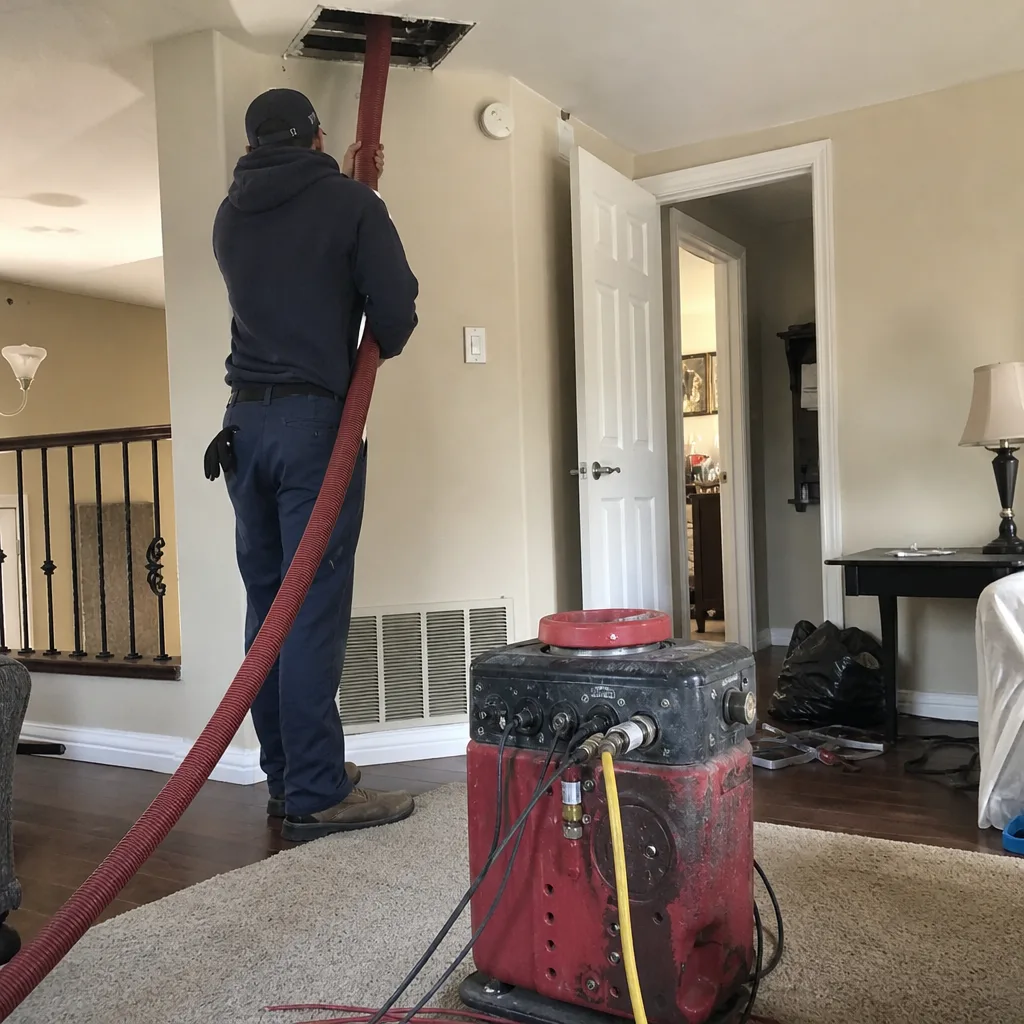
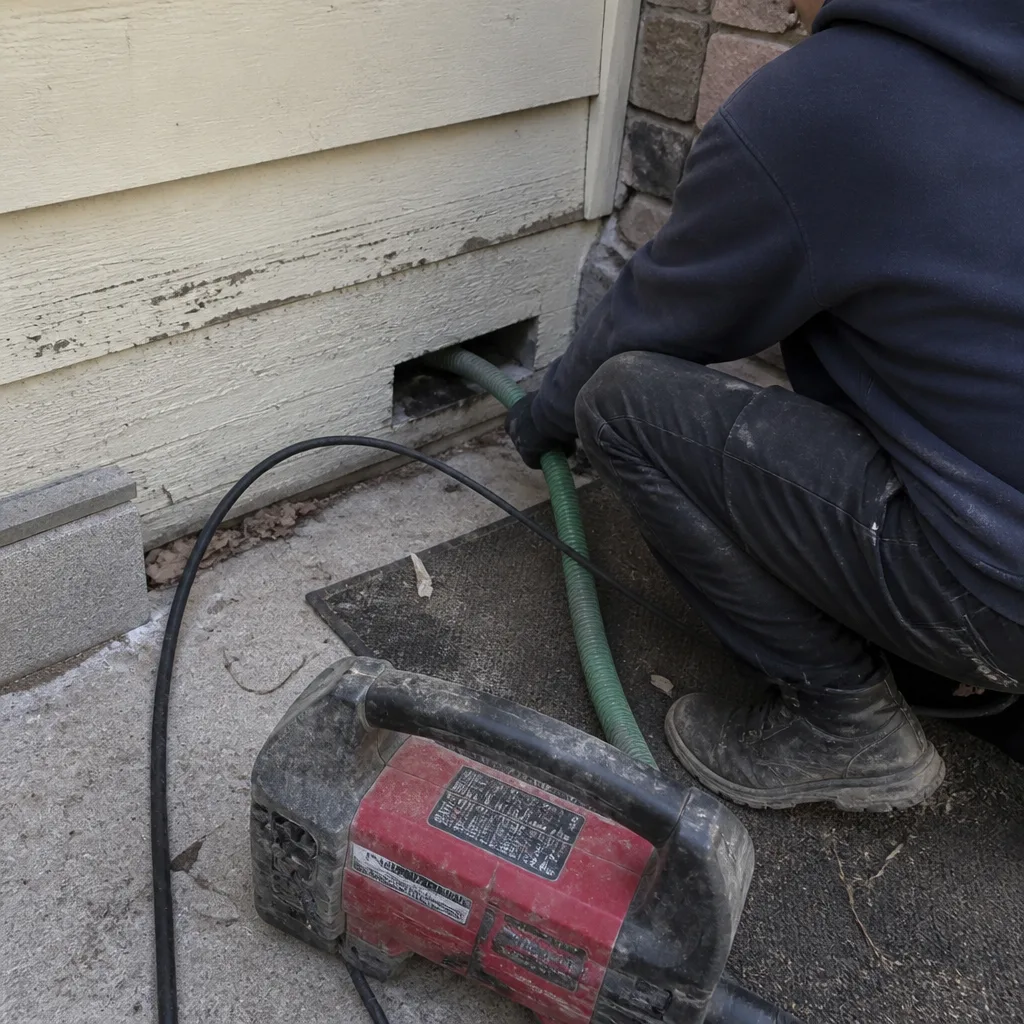
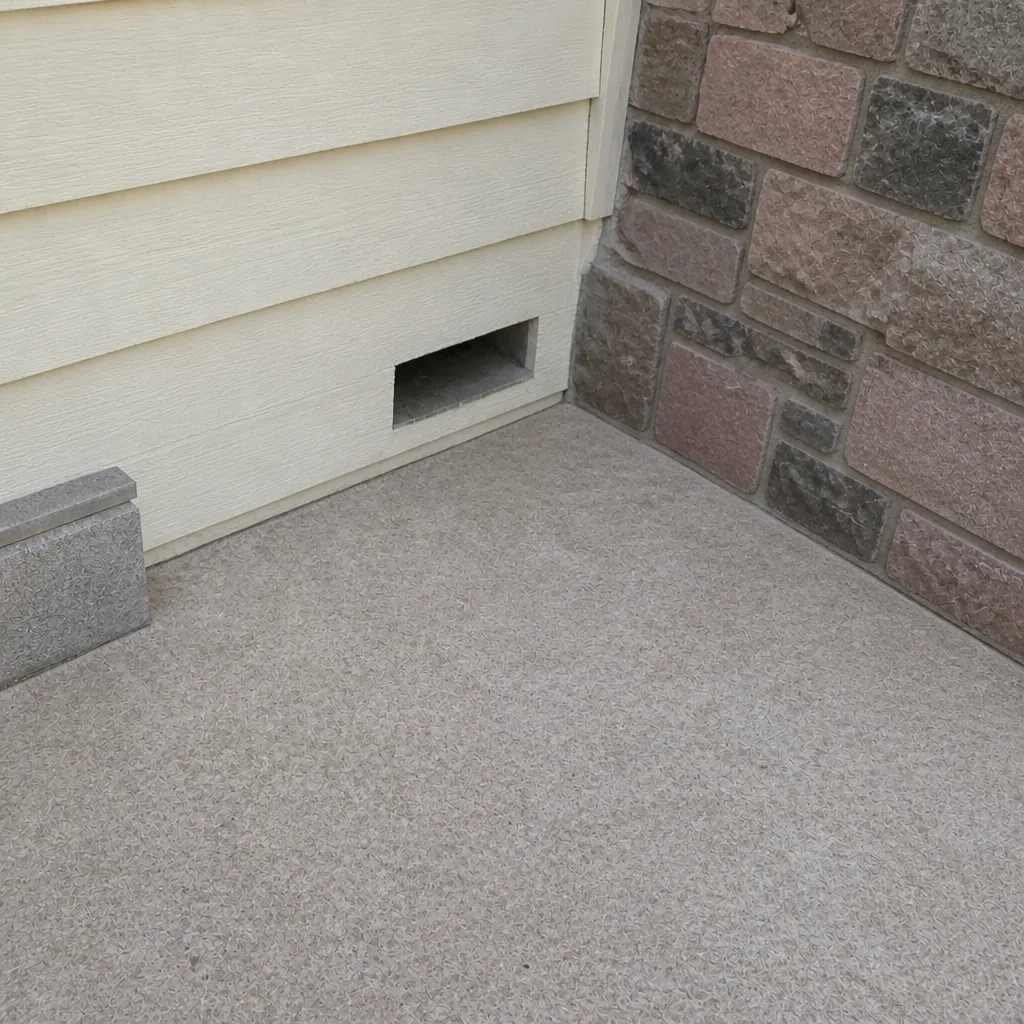
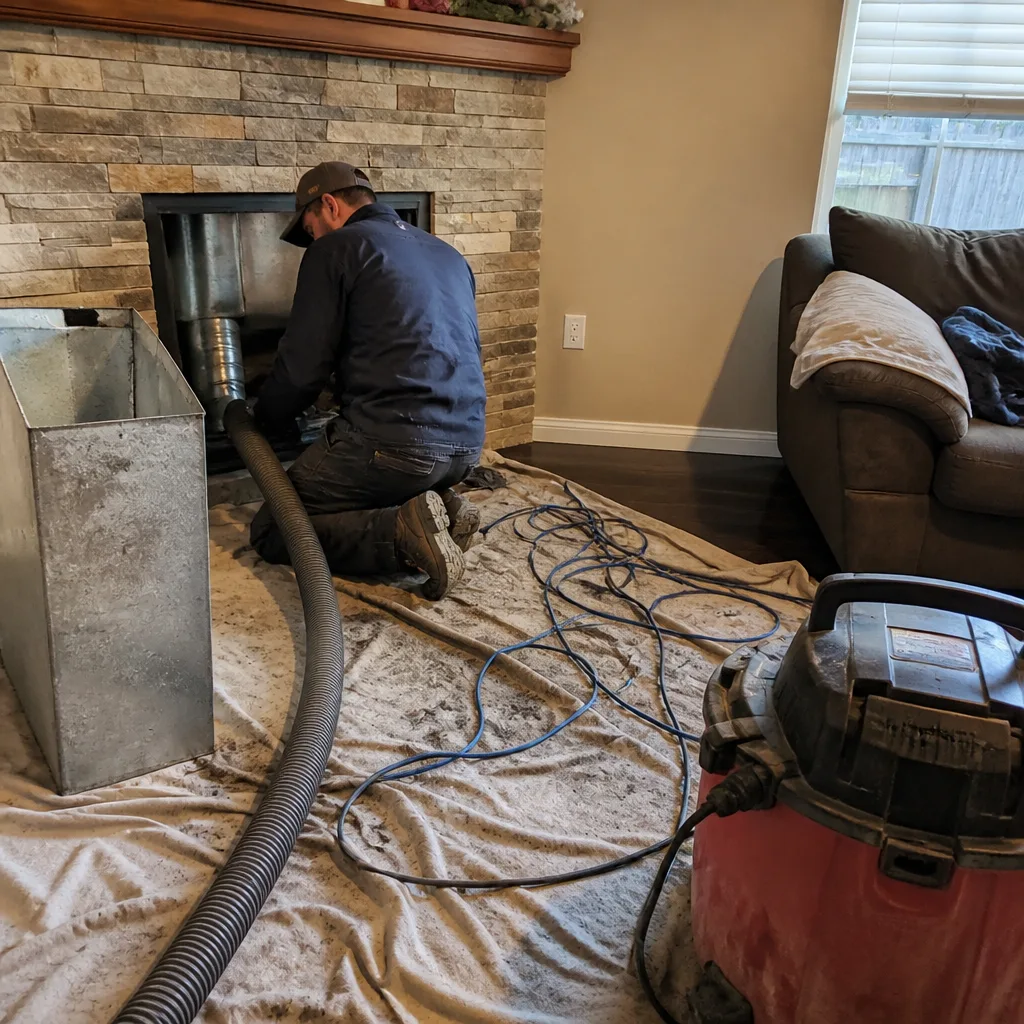
- Before-and-after documentation: photos of your own ducts show the work that was actually done.
That last point matters because the biggest hesitation homeowners have about this category is the industry’s bait-and-switch reputation – a cheap teaser price that becomes a much larger invoice once the technician is on site. We don’t work that way. One flat price per system is agreed before any work starts, and there’s no per-vent pricing. You see the number up front, and you see the result in before-and-after photos of your own ducts. Our technicians have up to 9 years of experience with this kind of work, and if something changes mid-job, the written estimate is what sets the final price.
Building Your Erie Duct Calendar
Putting the seasonal idea to work is a matter of mapping it onto your household. A few questions decide the shape of your calendar. Is your home near active construction? Do you have pets, allergies, or anyone with asthma? Was there a recent renovation? Is the duct system original to an older house, where leaks are more common? Answer those honestly and the timing sorts itself out.
Calibration by household
- Near active construction or recently renovated: monthly filter checks in spring and a full cleaning at the end of the project.
- Household with allergy or asthma concerns: more frequent filter changes and containment-based cleaning, ideally timed before each seasonal transition.
- Older home with original ductwork: a duct inspection early on to identify leaks, then repair and sealing before the first heating season.
- High-pollen or smoke-exposed location: spring cleaning ahead of pollen, plus a filter check whenever summer smoke arrives.
- Dryer that takes forever to dry clothes: a sign to check the dryer vent, not the ducts – and worth acting on because dryer vent fires are a well-documented household hazard.
Book the calendar you can actually follow. Two well-timed visits a year beat a five-year schedule you keep postponing. If you want a starting point, the safest plan is: full cleaning in early spring, inspection and sealing in fall, filter checks throughout.
Common Mistakes to Avoid
- Treating duct cleaning as one-and-done. Erie’s seasons change what’s entering the system, so a cleaning that made sense in spring may not be the right timing when smoke season arrives.
- Changing filters on a fixed calendar only. During a summer wildfire smoke event, a filter that was fine a month ago can be fully loaded. Check, don’t just schedule.
- Ignoring return grilles. Most visible dust collects on return faces, and blocked returns change static pressure. Look at them, not just the supply vents.
- Choosing by price alone. The lowest quote in Erie is often surface-level cleaning with consumer-grade equipment, or a teaser that inflates once the technician is in the house. Ask about equipment and ask how the price is set.
- Fixing only the symptom. A musty smell or dust returning to surfaces can be a symptom of duct leakage. Cleaning without identifying the leak means the same problem returns next season.
- Overlooking the dryer vent. Dryer vent cleaning is a named safety service, not an upsell. A dryer taking longer and longer to dry clothes deserves a check.
- Skipping winter inspection. Winter is when leakage is most measurable on the energy bill – exactly the season to inspect, even if not to clean.
See the difference
 Before
 After
 Before
 After
 Before
 After
When to Call a Professional
Some things you can check yourself: filter condition, visible dust on return grilles, airflow at a supply vent. Others deserve a trained technician with real equipment. Call us when you see visible dust buildup on registers or grilles, when you notice a musty or stale smell coming from any vent, when a renovation has just wrapped, when a household member’s allergies or asthma seem worse indoors than out, or when you suspect duct leaks and want them sealed rather than just noted. Dryer vents deserve the same attention: if laundry is taking noticeably longer to dry, that’s worth diagnosing. And if you’ve moved into an Erie home and don’t know when the ducts were last cleaned, a one-time inspection resets the clock. Erie Air Duct Cleaning Pros offers free estimates in Erie – call (877) 676-7132.
Frequently Asked Questions
Most Erie homes do well with a full cleaning once a year or every few years, timed to the early-spring window before pollen season and summer smoke. Households near active construction, with pets, or with allergy concerns may benefit from more frequent cleaning. It’s the timing that matters as much as the frequency – fitting the cleaning to Erie’s seasonal patterns is more useful than a fixed number of years.
Duct cleaning helps indirectly, by removing accumulated particulate that the system would otherwise recirculate. The bigger factor during smoke events is filter condition: a loaded filter does less work. Change or check the filter when smoke arrives, keep windows closed during red-flag weeks, and consider whether a higher-MERV filter is appropriate for your system. If you want a more complete air quality approach, that’s a conversation worth having with a technician.
Winter makes duct leakage more noticeable and more expensive. The furnace runs more hours, and any leaks put conditioned air into unconditioned space, so the loss shows up in your energy bill. Winter is therefore an excellent inspection season – you can often see the effect of a leak on your heating costs even before anyone confirms where it is.
Cheap quotes are often built on consumer-grade vacuums and surface-level work, or on a teaser price that grows once the technician is on site. Those two things make the initial number look low without reflecting the actual job. Ask what equipment is used and how the price is set before you book. We use professional-grade Rotobrush and Nikro equipment and quote one flat price per system, agreed before any work starts – with no per-vent pricing and before-and-after photos of your own ducts.
Ask for before-and-after photos of your own ducts, and ask the technician to walk you through what was found and what was done. A cleaning that can’t produce documentation of your own system is a red flag. If duct damage or leakage is discovered, duct repair and sealing should appear as a resolved item, not a verbal note. Our technicians have up to 9 years of experience with this kind of work and can explain what they found during the visit.
If you’ve just moved into a home in Erie, you often can’t know. A one-time inspection answers the question and gives you a starting point for the seasonal calendar in this guide. From there you can time cleanings to spring, schedule sealing in fall, and check filters when summer smoke arrives.
Yes, and it’s a distinct service with a distinct safety point. A dryer vent that’s clogged with lint is a well-documented fire hazard and also a reason laundry takes longer than it should. We treat dryer vent cleaning as a named core service, not an add-on, because the risk makes it worth scheduling on its own terms – ideally in the same seasonal pass as the rest of the system.
Professional-grade equipment with real agitation and extraction power, plus containment to keep dislodged debris from recirculating. Rotobrush and Nikro systems are what we use, and Abatement Technologies containment keeps the process clean for allergy-sensitive households. Consumer-grade shop vacuums can’t match that, and the difference shows in what comes out of the ducts.
The Bottom Line
Erie’s seasons change what’s actively entering your duct system – spring construction dust and wind-driven soil, summer wildfire smoke, fall pollen, winter dry-air static and increased run time – and each one demands a different maintenance priority. Building a calendar around those season changes is more useful than a fixed “clean every few years” rule. Clean in early spring, check filters when summer smoke arrives, inspect and seal in fall, and treat winter as your inspection window for measurable leakage. Stagger duct work with HVAC tune-ups so each visit builds on the last. And when the work gets booked, insist on one flat price per system agreed before work starts, and before-and-after photos of your own ducts.
Ready to plan your Erie duct calendar? Call (877) 676-7132 for a free estimate. We answer 24/7. Fast dispatch from 7am to 7pm, Sunday through Friday.
Written by the team at Erie Air Duct Cleaning Pros.